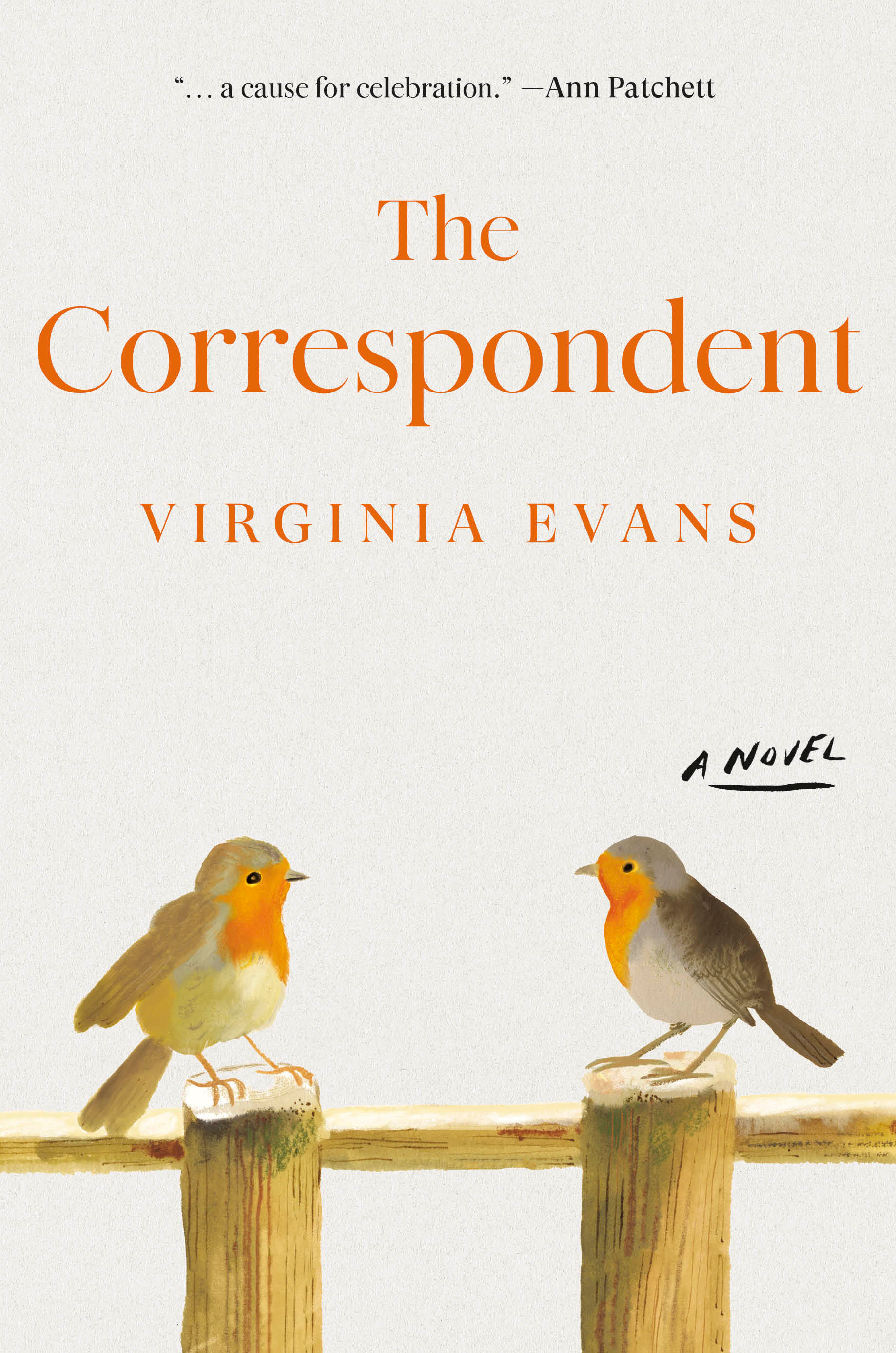
The Correspondent

by Virginia Evans

I absolutely love reading epistolary novels. They make me want to write letters again. Real letters. We live in such an “instant” time where, at the click of a button, we can communicate with no pondering, no pause to clarify our thoughts, no attempt to communicate not just effectively but beautifully.

Years ago, I was lucky enough to read letters my grandfather wrote to  a young woman who would just happen to become my grandmother. They were simple but heartfelt, and I truly felt like I got to know a grandfather I had never met, a man who existed before he was ever a “grandfather” to me. I think we have become a people where, unless we feel we have something important or riveting  to say, we say nothing at all. And yet what we should be doing, what people like my grandfather, did so naturally in the past, is simply share the simplicity of their everyday lives. Little things: the simple goings-on of the day, what you ate for dinner, what books you’re reading, or something as unassuming as the weather.

I lived in Glasgow for a portion of a year, many, many years ago, back when the only internet you could access was at the local internet café where I had pay by the hour. So I wrote letters the old fashioned way to everyone and anyone in my address book: old university friends, my little nieces who were too young to read, previous colleagues, just to tell them about my everyday life living in Scotland. And I received a plethora of mail in return, sometimes twice a day (the Royal Mail was absolutely magnificent). It is a practice I miss deeply. 

All this to say: I absolutely loved The Correspondent.

Our main character is 73-year-old Sybil Van Antwerp, a retired law clerk for a celebrated judge. Sybil has always written letters, first to her best friend Rosalie, whom she met at summer camp as a young girl, and eventually to an ever-growing constellation of recipients: her brother Felix, living in France; her children; her neighbour Mr. Lubeck; various authors she admired, among them Joan Didion and Ann Patchett; a university dean; and others. Her mailing list expands across a lifetime, and we come to understand not only her ritual for letter-writing (she has specific days and times set aside, and spends about an hour crafting each letter, a discipline we learn about through her friendship with a young student who becomes enchanted by the practice) but her motivation as well.

Woven through the novel is something more tender and more sorrowful: through letters, we learn that Sybil is losing her eyesight, and we come to know the heartbreak and tragedy that has quietly shaped her life. And throughout all of her correspondence  Sybil has been writing to someone she never names. In these letters, we meet a different Sybil entirely, unguarded, reflective, sharing her most personal feelings and regrets. These letters are written never to be sent. 

The Correspondent is a beautifully crafted love letter to the art of letter-writing itself. It is also a novel about identity and grief, and the preciousness of relationships and the ways we choose, or fail, to communicate across a life. By the end, I desperately wanted to receive a letter from Sybil myself. It is a quick read, and an easy one to fall into and stay until finished.  
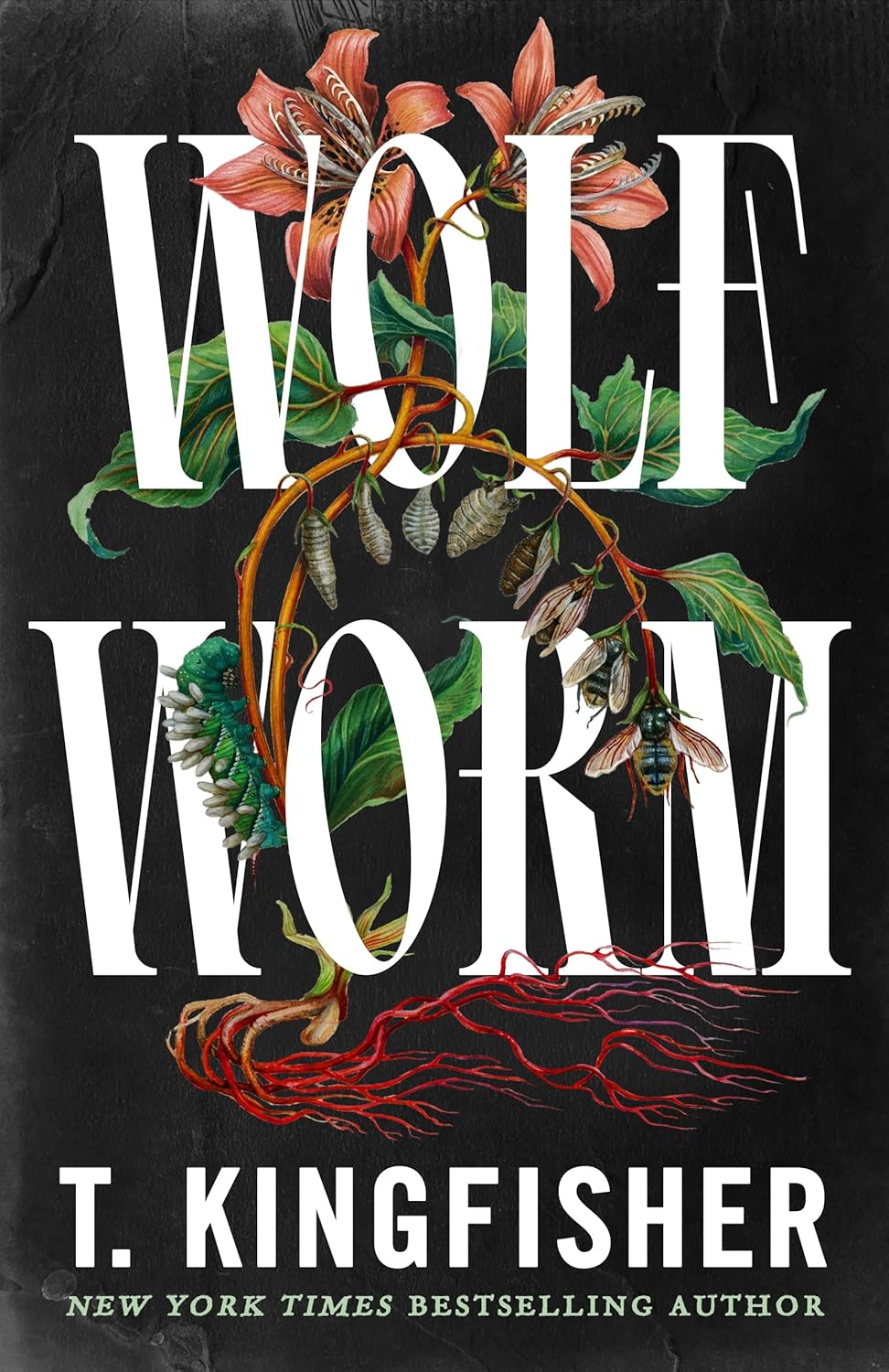
Wolf Worm

by T. Kingfisher

Since the death of her father, Sonia Wilson has had to put aside her beloved profession of being a scientific illustrator and become an art teacher. With only a few friends and an oppressive headmistress, she seeks employment elsewhere…but there aren’t a lot of positions available, because she is, after all, a woman in the late 1800s.  So when the reclusive scientist Dr. Hadler hires her to illustrate his work of bugs, worms and squiggly, squirming critters, she willingly obliges. 

After trekking through the woods with creepy Mr. Phelps, who offered to chaperone her and narrate the nightmarish folktales of devils and blood thieves you would meet in the woods, she arrives at Dr. Hadler’s North Carolina mansion….wonderfully creepy, atmospheric.

Sonia soon realizes that the doctor’s work is rather odd and that the artist before her disappeared under mysterious circumstances, compounded by the fact that the animals in the area are behaving rather creepily, she begins to regret her decision to work. Also, what is with the creepy shed on the property, a place that the doctor brings live chickens and keeps under lock and key? 

The story is narrated by Sonia, whose voice is so personable and funny (which is wonderfully juxtaposed against the creepy atmosphere). I really wanted to be her friend and, over a bottle of wine, hear all about her experience. Just a heads up, if you don’t like bugs and blood, this novel may not be for you. Kingfisher is quite graphic in her descriptions. 

Except for a few parts that seemed somewhat redundant (especially when Sonia is questioning the reality of a horror she saw), the novel is humorous, suspenseful, and everything I expected from the author.

…oh, and I absolutely loved the Kents. 

This is an great Southern Gothic to add to you audio book list.

I listened to the audio of this novel. Mary Robinette Kowal is the narrator, and she is absolutely wonderful. She is very effective with voices, accents, and intonation of emotion. I would definitely listen to other audiobooks she narrates. 

Thank you to MacMillan Audio and NetGalley for the copies. 

You’ll be able to buy Wolf Worm at the end of May. 

3 Books by Mona Awad

If you’ve never heard of Mona Awad, I need you to stop what you’re doing and pay attention, because I’m about to send you down a rabbit hole you will not regret.

I’ve only read three of Mona Awad’s works, and all three can be classified as dark academia my favourite genre. Canadian author Mona Awad has quite theimagination. She writes novels that read like fevered dreams, especially for those of us who have a history of viewing ourselves as insecure, anxious, and at times with self-doubt.

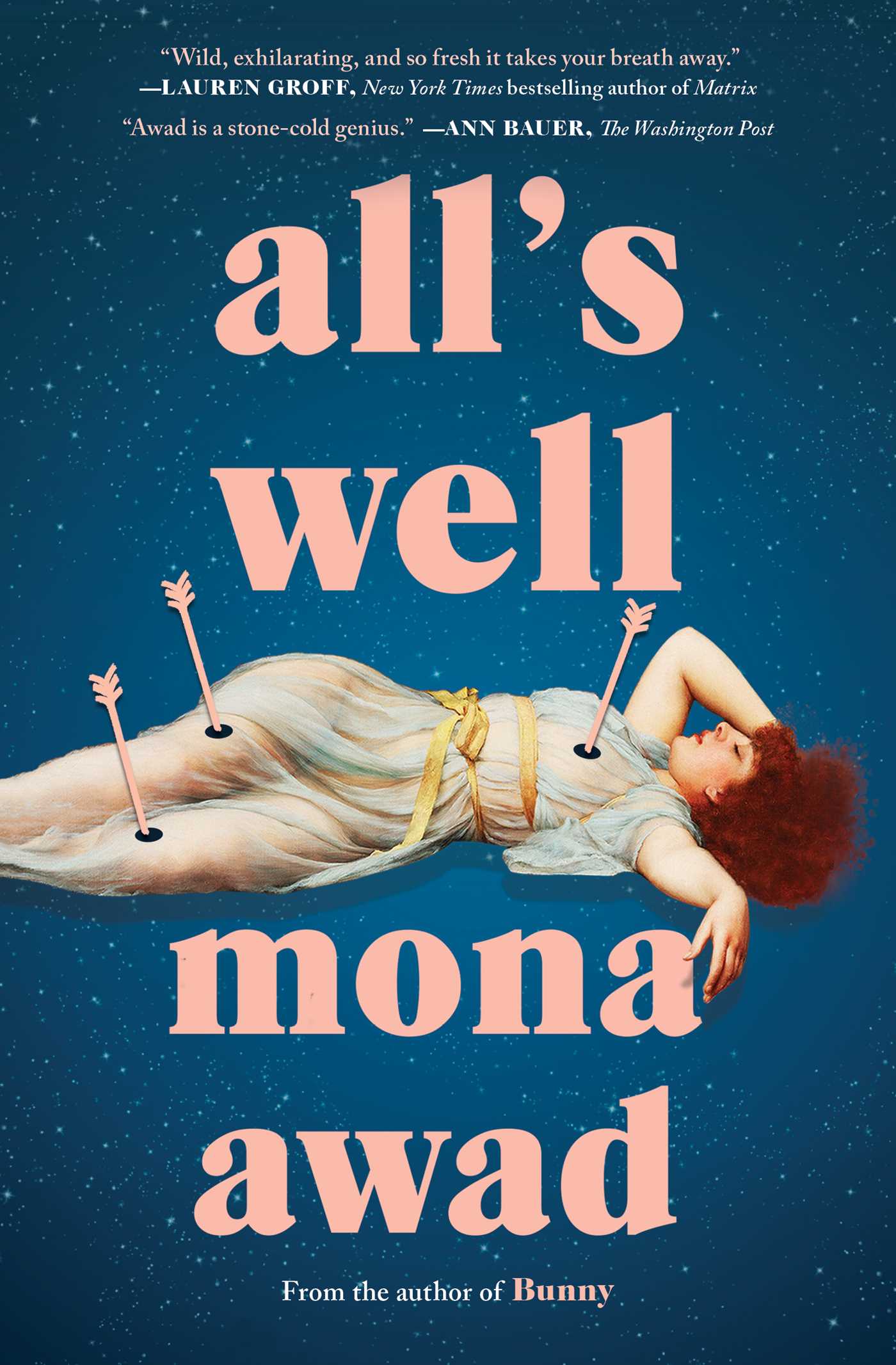
My first experience with Awad was her novel All’s Well.  Honestly, I bought,this novel, because I thought the cover was beautiful, and because it was a reference to Shakespeare’s play. Miranda Fitch is a college drama teacher who is bound and determined to produce Shakespeare’s All’s Well That Ends Well, mostly because she wants to relive a time in her life when she was at the height of her acting career, playing the lead role of Helen. Her students, however, are equally bound and determined to perform Macbeth — a play that Miranda holds directly responsible for her debilitating chronic pain. When she meets three strange men at a bar (men who symbolize the three witches of Macbeth) Miranda engages in the most bizarre conversations. Soon after, the physical and emotional pain she carries begins to transfer onto the people she dislikes, and Miranda starts to feel a dark, intoxicating sense of power  at the expense of others.

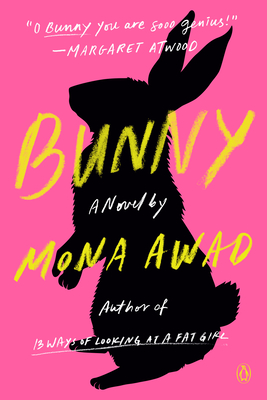
Now, BunnyBunny is the most wild of novels. Samantha McKey is part of a creative writing cohort at an Ivy League university. The entire story is told from her point of view, but we glean through her narrative (and she is an extremely unreliable narrator) that she is a loner. She views herself as superior to the others in her cohort, referring to them as “the Bunnies.” Soon, however, she is invited to join the Bunnies’ “Smut Salon” — a gathering where they meet to discuss their work. But the Smut Salon goes far beyond discussion. Soon the Bunnies are kidnapping, killing, and conducting all sorts of experiments to create. There are hints woven throughout that Samantha may be mentally ill, and that the world of the Bunnies and the Smut Salon is entirely a creation of her own mind.

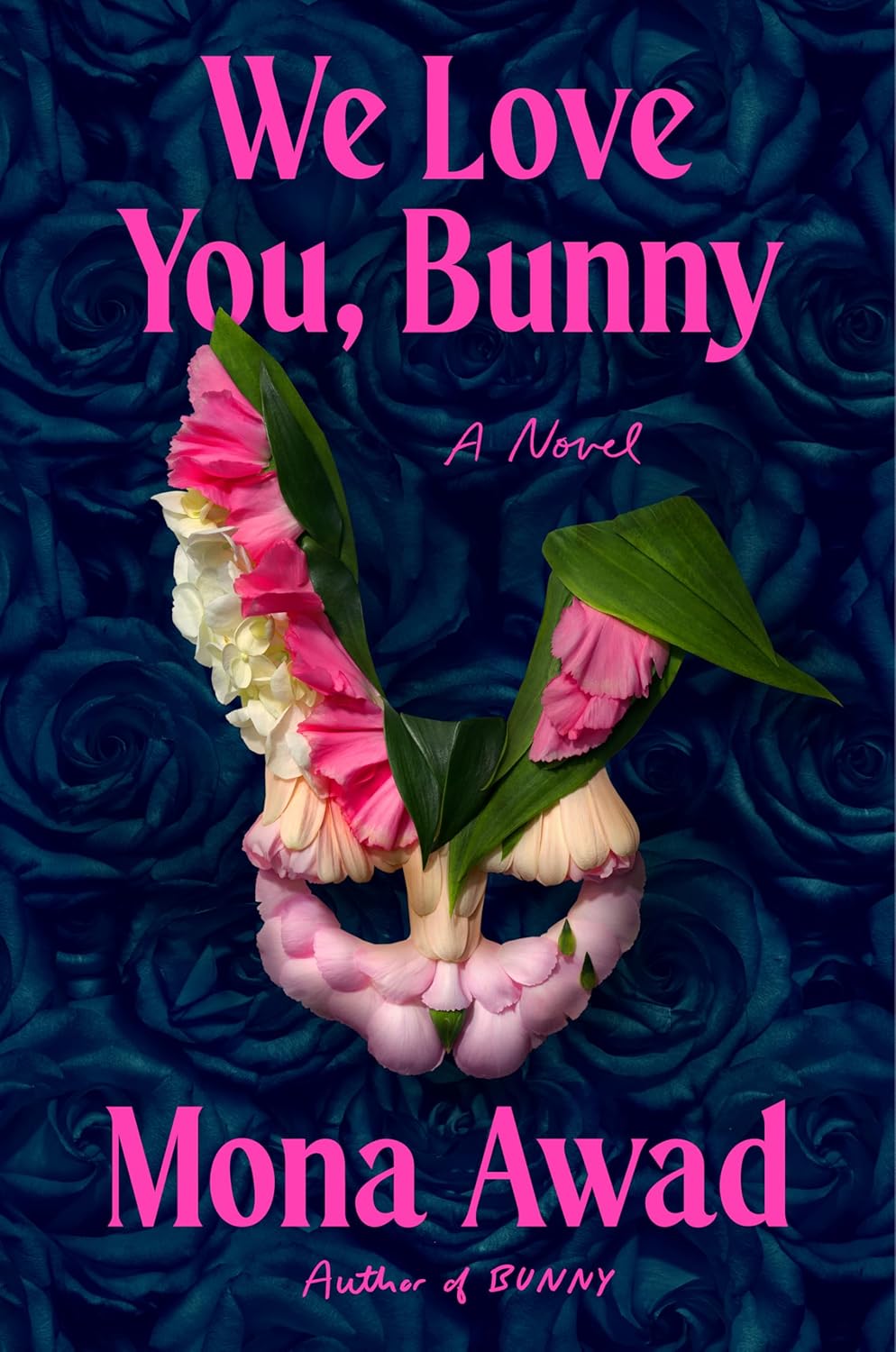
​​The sequel to “Bunny:”  “We Love You, Bunny,” made me rethink every interpretation of “Bunny” I ever had. It’s written from the various points of view of the Bunnies themselves …they  finally  get to tell their side of the story. It seems Samantha, our protagonist and narrator from “Bunny”  has written a bestselling novel about, of all things, the Bunnies themselves. And they are not happy. Why? because they are not exactly written in the most flattering light. They kidnap Samantha and tie her up in the same attic where they once held their Smut Salon and conducted their gruesome creative experiments. In fact, the axe is still there — and it’s often picked up like a talking stick by the various narrators.

Where Bunny felt to me like a story about identity, creativity, and what one will sacrifice in order to create both an identity and a piece of art, We Love You, Bunny is more about on the creative process itself. It presents such questions as who owns a piece of art, what constitutes plagiarism, and what makes a creative work credible. Both novels, I believe, require a second reading and a long conversation in order to peel back all the layers

:Mona Awad is not for everyone but if you are someone who loves stories that blur the line between reality and imagination, that make you question everything you think you know about a character, and that stay with you long after you’ve closed the book she just might be exactly for you. I would love to know if any of you have read her work, and what you thought. As always, happy reading.

Girls

Annet Schaap

I love the retelling of fairytales. Authors like Gregory Maguire and Angela Carter have successfully retold classic tales to make them commentaries on character, history and the social condition…just like original fairy tales were constructed to scare children to follow the straight and narrow. Annet Schaap’s short story collection Girls is one that I would put in league with Maguire and Carter.
Girls is a retelling of various fairytales, concentrating on girls and women in our society. The female characters are not princesses; instead, they are modern young women who face the same issues our female characters of old face: finding a husband, societal isolation, predatorial males, appearance, and abandonment. These characters, however, do not have handsome princes or fairy godmothers to rescue them. They have to rely on their own experience and grit to survive and make decisions for themselves independent of societal norms. Unlike classical fairytales, these stories don’t necessarily end with a “happy ever after”. Instead, they end realistically, if not melancholy, but always with our female protagonist, the designer of her fate.
This collection possesses a tonne of educational possibilities, making it a perfect anthology for study in grades 8-12, depending on which tale you choose to study. It could provide a rich analysis of the format as a mentor text, comparing and contrasting themes between traditional and modern retelling. Like conventional fairy tales, it offers ample opportunities for discussing symbolism and metaphor in-depth, enriching the student’s understanding of literary devices and their application in modern literature. 

Thank you to Netgalley and Pushkin Press for the Copy.

My Friends

By Fredrik Backman

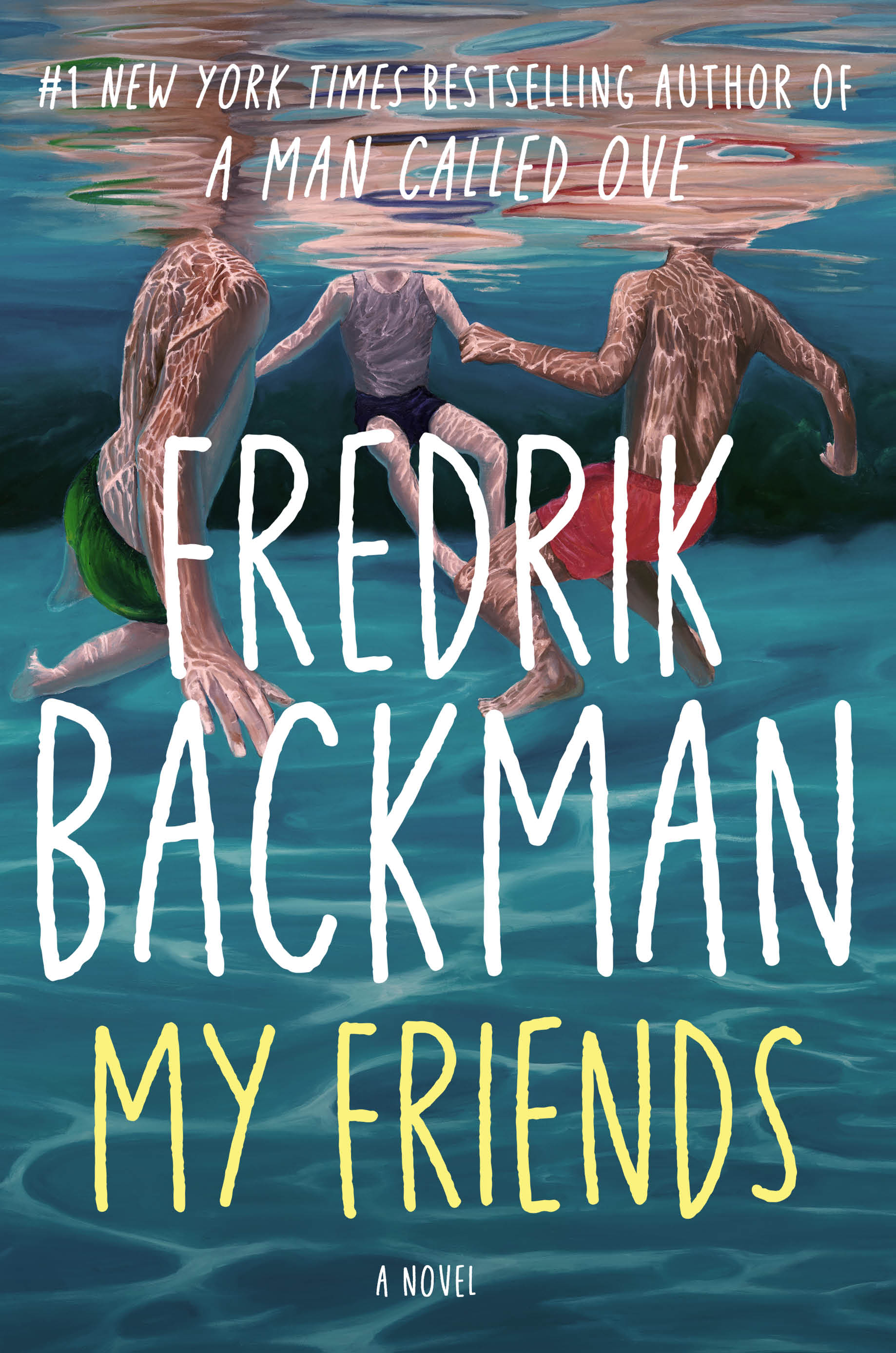
Louisa, a foster kid, now homeless, is about to turn 18. Since the tragic death of her only friend, Fish, Louisa has nothing dear to her heart other than a postcard picture of a painting called ‘The One of the Sea’ by artist CJat (later we learn the artist’s real name is KimKim). This painting, a symbol of hope and beauty, becomes a central motif in the novel. Breaking into the gallery where the real painting is to be sold, Louisa is found out and attempts to run away from the guards. She unexpectedly and literally runs into a homeless man who coincidentally happens to be the artist himself. Now, it all sounds too coincidental to be true. Still, Backman writes in such a way that turns coincidence into serendipity. Flashback 25 years, and we learn the genesis of the painting. We are enmeshed in the lives of the author and the three friends who all needed to rely on each other to survive the trauma and heartaches of their childhoods. Joar is the protector. A Child of an incredibly abusive father yet a gentle, loving mother, Joar. And, of course, Ted, who endures the death of his father after a prolonged sickness. Ali is a young girl with a single father with a nomadic lifestyle. Each of these young people was lucky enough to have found each other at a time when they were suffering from traumatic childhoods.
The novel is structured, alternating between two time periods. In the present day, we follow Louisa as she meets Ted, now an adult, and begins to unravel the story behind her beloved painting. The second timeline, set decades earlier, immerses us in the lives of ‘the friends.’ 
I loved several elements of this book; I especially loved the idea of people who, when they find someone who is “one of us” (an artistic, sensitive soul), will do anything to protect and encourage them to flourish not only in their craft but in life itself. I also love that even though this novel is rife with trigger warnings (suicide, abuse, neglect), the characters are portrayed as pure-hearted, loyal and warriors against their specific demons.
This novel’s primary theme is friendship and how true friendship survives trauma, conflict, and time.

Thank you to Atria Books and Netgalley for the copy.

The Small Museum

by Jody Cooksley

What a wonderfully creepy novel about gruesome family secrets hidden behind the facade of a “respectable” family. Madeline Brewster is to be married off to a stranger in an attempt to help her family recover from a scandal. Her husband is none other than the most eligible bachelor in the county, Lucius Everley, a wealthy doctor in need of a young, compliant wife. After the nuptials and Madeline is moved to the Everley estate, she is pretty much abandoned by her husband. Not only is she friendless and alone, but the manor staff treats her like something dragged in from the bottom of a shoe. Sure, her sister-in-law Grace pops in at times, but when she does, Maddie can’t help but feel Grace is taking every opportunity to be the household’s mistress. Soon, in her isolation, Maddie begins to hear strange noises at night, most disturbingly a baby crying. Also, random objects start to appear in her bedroom, objects that once belonged to Lucius’s mother. Madeline begins to suspect something terrible is happening under the roof of her new home; either that or she is going mad.

Well written and highly suspenseful. Cooksley is very successful in slowly building suspense, especially through the atmosphere and the trail of clues she leaves along the way to the climax of the novel.
 
Trigger warning: Infant death

Thank you to Netgalley and Allison & Busby for the free copy.

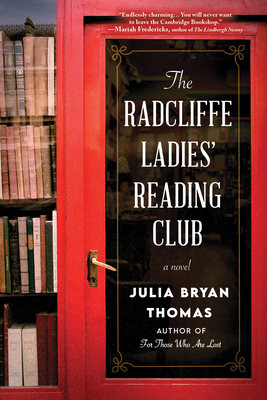
The Radcliffe Ladies Reading Club

by Julia Bryan Thomas

This is an easy quick read perfect for summer.
It’s 1954 and Alice Campbell has decided to make a big change in her life, giving up everything for independence. So she buys a small bookshop in Boston and makes it her own. One day, Alice decides to create a book club where individuals will meet once a month to discuss books of her choosing…and they just so happen to be books about and/or written by women who are, themselves searching for a life to call their own. Alice’s little book club is made of four young women (Tess, Caroline, Evie, and Merritt) who just happen to be attending nearby Radcliffe College, all are young and edited with their own newfound independence.
I liked this book well enough. It was a very quick read that was suitable after a workday where I had to tax my brain. I found the description of Alice’s bookshop and the details of the simple life she has created for herself is simply charming. I also enjoyed the simplicity of characterization, it was easy to understand the choices and motivations of each. My favourite part of the novel was how the author attempted to weave the various themes of the books studied in the book club with the lives of the characters who read them. (Jane Eyre, Age of Innocence, Essays of Virginia Wolfe).

Trigger warning for sexual assault and miscarriage.

You will be able to purchase this book June 18th!

Thank you to Source Books and Netgalley for the free copy.

The Adult

by Bronwyn Fischer


Bronwyn Fisher is a master of first-person narration. I cannot remember the last time I felt so connected to the thoughts and emotions of a character. I cared so much for Natalie! I could have very easily found her insecurities and naivety annoying, but instead, I found myself rooting for her in the hope that she would become stronger and more self-confident. I just wanted her to be ok!
Natalie is an 18-year-old young woman who is moving away from home for the first time. She is off to university, and all the “things” university entails. New information, new perspectives, new friends, new loves, new new new…which all ends up so confusing for someone like Natalie, who second guesses everything she says and everything she does.
Early in the novel, Natalie meets Nora, an older woman with whom she starts a romantic relationship. Although Nora seems authentic with her feelings towards Natalie at first, we (and Natalie) soon begin to suspect that there is more to Nora than meets the eye.

Even though I figured out Nora’s secret before Natalie did (I think we are meant to), I dreaded waiting and watching how Natalie would react. I truly didn’t want her to be brokenhearted because I didn’t know if she would be strong enough to recover!

Wonderful book. I will definitely read more from Bronwyn Fisher.

Thank you to Netgalley and Algonquin Books for the free advanced copy.

The Adult will be available for purchase May 23

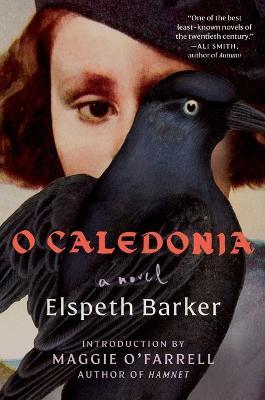
O Caledonia

by Elspeth Barker

I was away in Victoria this past weekend. Of course, I visited Munroes, THE most breathtaking bookstore in my neck of the woods. Gift card in hand (from my beautiful friend Debbie), I spent time within its walls doing one of THE BEST things in the world to do: running my fingers along the spines on the bookshelves until I settled on two (full disclosure, I picked 7, realized I only had a carryon, then had to narrow it down to two). One of the chosen was O Caledonia by Elspeth Barker.
Full disclosure, I thought this one could be a quick read. Still, I had to take my time with it….it is so beautifully written but SO unsettling in content. For example:


Halfway up the great stone staircase which rises from the dim and vaulting hall of Auchnasaugh, there is a tall stained-glass window. In the height of its Gothic arch is sheltered a circular panel, where a white cockatoo, his breast transfixed by an arrow, is swooning in death….at night, when the moon is high, it beams through the dying cockatoo and casts his blood drops in a chain of rubies onto the flagstones of the hall .”(pg 1)


The novel starts with the murder of our tragic heroine, so you know how it ends before you even begin (as foreshadowed in the quote I shared above). The story is simply and tragically the story of Janet from birth to her death at 16. Janet is one of the most fascinatingly disturbing characters I’veI’ve met. I sympathize with her, but at times I find her incredibly annoying. She is self-centred, spiteful, and stupid at times, but she is also confused, unloved, and brilliant. She is treated horribly by many people, but then she, in turn, is capable of doing horrible things. I kept reminding myself that she was just a little girl and many of her choices were reactionary and, therefore, not wholly her fault. Janet would make a fascinating character study.
This book left me unsettled. I loved it. I’ve asked people to read it so I can talk to them about Janet.
Find it.
Buy it
Read it.
Then send me a wee message to tell me your thoughts.

2022-2023 Book Club titles

So it’s that wonderful time of the year again when my bookclub meets and votes on what books to read over the next 10 months. We all come with a plethora of suggestions, all of them so wonderful we often have to go for a second round of voting just to narrow it down to 10.  Here they are:

The Great Alone by Kristen Hannah

Carrie Soto is Back by Taylor Jenkins Reid

The Autobiography of Santa Claus by Jeff Guin

Small Things Like These by Claire Keegan

If We Were Villains by M. L. Rio

Lamplighters by Emma Stonex

Little Eve by Catriona Ward

Joan by Katherine J Chen

Cradles of the Reich by Jennifer Coburn

The Marriage Portrait by Maggie O’Farrell

Honourable Mentions

Ducks by Kate Beaton

Magpie by Elizabeth Day

For the Wolf by Hannah Whitten

The Seven Husbands of Evelyn Hugo by Taylor Jenkins Reid

What Moves the Dead by T. Kingfisher

Stay Awake by Megan Goldin

Unreconciled by Jesse Wente

The Marrow Thieves by Cherie Dimaline

Looking for Jane by Heather Marshall

Foundling Ann Leary

Akin by Emma Donoghue

Daphne by Josh Malerman

Olive Kitteridge by Elizabeth Strout

How the Penguins Saved Veronica by Hazel Prior

Five Wives by Joan Thomas

The Reading List by Sara Nish Adams

The Beekeeper of Alleppo by Christy Lefteri

Fresh Water for Flowers by Valerie Perrin

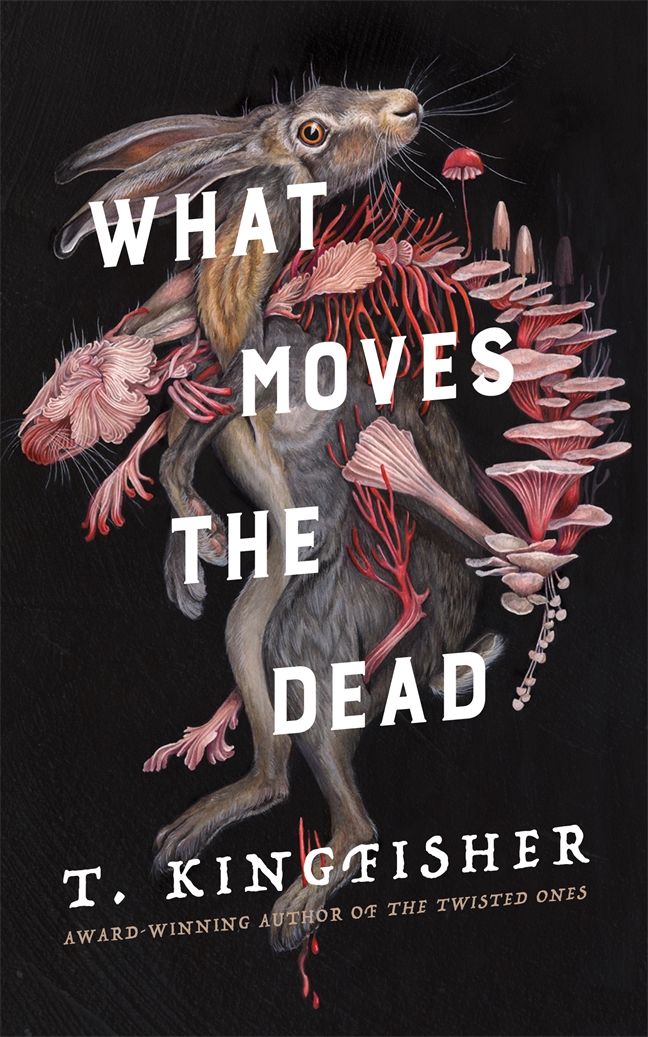
What Moves the Dead

by T Kingfisher

What a horrifically beautiful cover!

This was the perfect book to start off my summer. The novel starts with our narrator Alex, who is on their way to visit their dear friends Madeline and Rockrick Usher. Before they even arrive, Alex is mesmerized by the woods in which he travels. Although the lake and trees seem to possess a threatening and ominous air, the mushrooms and all things “fungal” seem to enthral Alex the most. The mushrooms “ grew out of the gaps in the stones of the tarn like a tumour growing from diseased skin [Alex] had the strong urge to step back from them and an even stronger urge to poke them with a stick.” Before they get the opportunity to do so, an older woman Eugenia Potter stops them. Eugenia is one of my favourite characters; eccentric and bold; she paints the various fungus she finds with the ambition of having her own name in the books recognized by the “Mycology Society”.
Second, only to Eugenia Potter, Alex is in themselves a fascinating character. As “Sworn Soldier”, Alex carries the courage they possessed on the battlefield in t the horror that awaits at the Usher’s estate. Alex discovers that their friends Madeline and Roderick have wasted (rotted?) away both physically and mentally.

Can Alex determine the cause of this decline before they too succumb to the madness and death surrounding them?
What moves the Dead, a gothic tale inspired by Edgar Alan Poe’s “Fall of the House of Usher”, is well crafted with viscerally vivid detail even though it moves at a rapid pace. It is the perfect novel to add to your summer tbr pile.

Thank you NetGalley and Macmillan-Tor for the free copy.

When We Stop and Blink

Sometimes there are small quotes from books, another person’s gift of weaving images and metaphors in such a way that sums up exactly what is going on in the readers reality without clinically spelling it out.

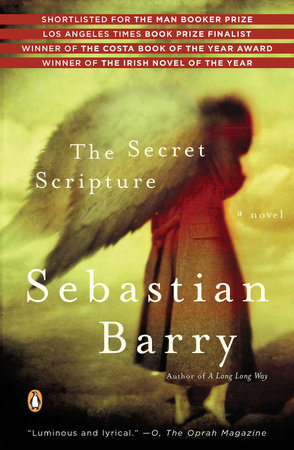
One of the most poignant novels I’ve read is The Secret Scripture by Sabastian Barry. It’s the type of novel that must be read slowly, each paragraph sipped and held in your mouth until you really taste and appreciate the significance and intricacies of its style. The novel is filled with beautifully written paragraphs that cause the reader to stop and actually wonder how an author can so eloquently present a truth.

One such paragraph is:

“And the river itself, the Garrovoge, swelling up, the beautiful swans taken by surprise, riding the torrent, being swept down under the bridge and reappearing the other side like unsuccessful suicides, their mysterious eyes shocked and black, their mysterious grace unassailed” (page 125).

How often in life are we like these swans where we’re taken by surprise, and are uncontrollably swept under a bridge of sorts, tumbled and shocked and surprised to have actually made it to the other side? An event, or a circumstance in our life where, while in the midst, we wonder if we ever will make it through without crumbling and shattering to pieces?

But we do.

What I find to be the beauty of the paragraph is the image of the swan at the other side of the bridge. The harrowing tumultuousness of being sucked under, out of control and at the mercy of someone or something else, but yet making it through with an “unassailable” grace.

At the moment there are several people in my life who are being swept under bridges.

But in every case, EVERY case, each person I know will be like the swan and make it through to the other side. They may blink their eyes in surprise, but they will maintain a sense of grace through it all and be all the stronger.

Grace.

2021-2022 Book Club Titles

I’m interested to know how other people are running book clubs during Covid. Is Zoom the “go to” platform for most?  Or is there some other more intimate way to connect with our book people?

In September we had the opportunity to host book club in person for the first time in close to two years. Joy was palpable and we were so excited to see each other in person. Sadly we haven’t been able to meet in person since the arrival of Omnicron (sounds like some interstellar visitation whose sole purpose is to poop on everyone’s parade). Anyway, September’s meeting was  the “first” book club of the season, the one where we share book suggestions and vote on the titles for the year and this year we have some wonderfully diverse genres:

Empire of the Wild by Cherie Dimaline

The Seven Deaths of Evelyn Hard Castle by Stuart

The Madness of Crowds by Louise Penny

Daughters of Kobani Gale Tzemarch Lemmon

A Ghost in the Throat by Doireann Ni Ghriofa

From the Ashes Jessie Thistle

Dark Archives by Megan Rosenbloom

All’s Well Mona Awad

The Book of Longings Sue Monk Kidd

The Dictionary of Lost Words by Pip Williams

What books are you reading together this year?