If you so choose to watch instead of read the review : )
for the love of story.

by Virginia Evans
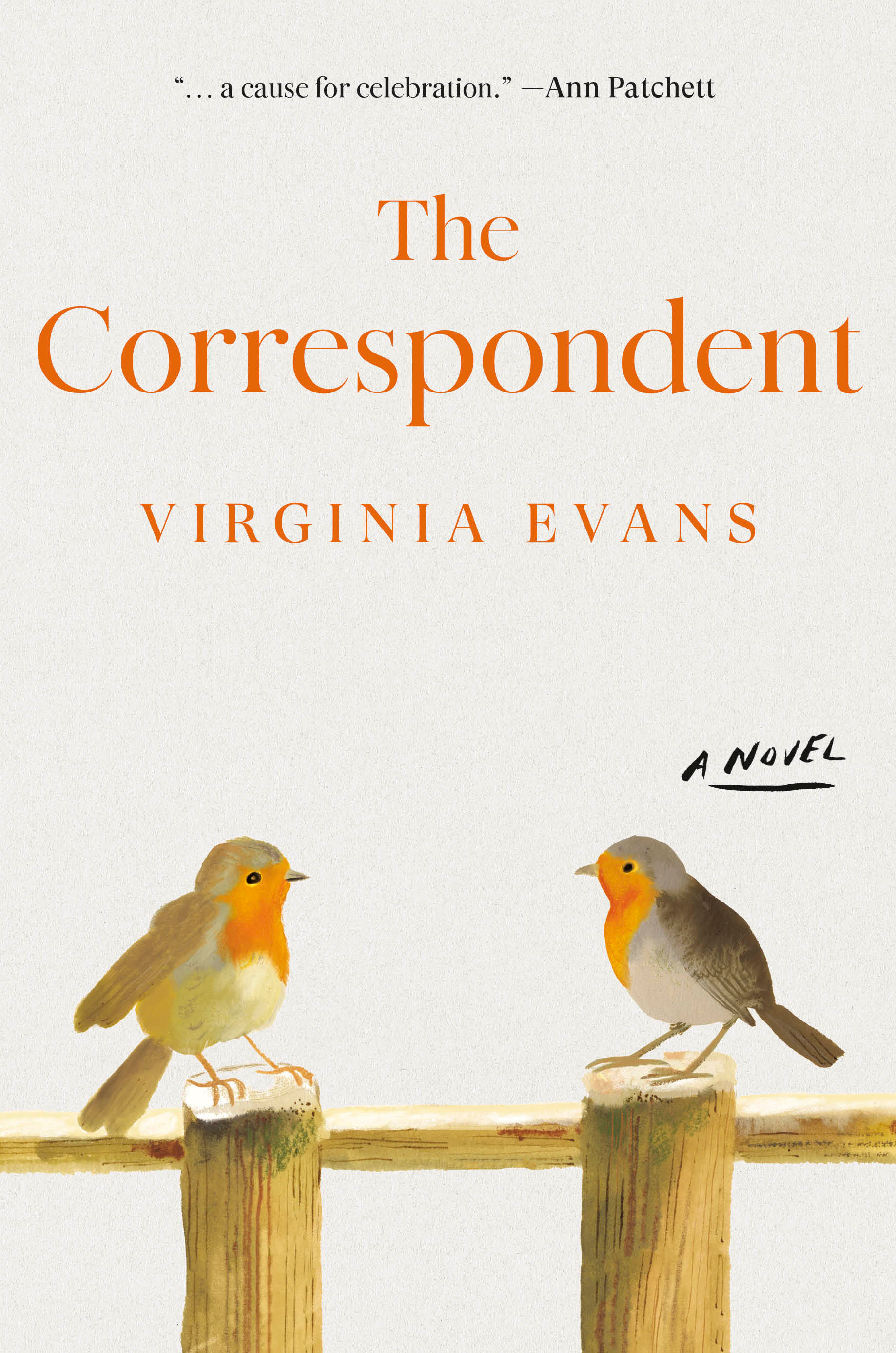
I absolutely love reading epistolary novels. They make me want to write letters again. Real letters. We live in such an “instant” time where, at the click of a button, we can communicate with no pondering, no pause to clarify our thoughts, no attempt to communicate not just effectively but beautifully.
Years ago, I was lucky enough to read letters my grandfather wrote to a young woman who would just happen to become my grandmother. They were simple but heartfelt, and I truly felt like I got to know a grandfather I had never met, a man who existed before he was ever a “grandfather” to me. I think we have become a people where, unless we feel we have something important or riveting to say, we say nothing at all. And yet what we should be doing, what people like my grandfather, did so naturally in the past, is simply share the simplicity of their everyday lives. Little things: the simple goings-on of the day, what you ate for dinner, what books you’re reading, or something as unassuming as the weather.
I lived in Glasgow for a portion of a year, many, many years ago, back when the only internet you could access was at the local internet café where I had pay by the hour. So I wrote letters the old fashioned way to everyone and anyone in my address book: old university friends, my little nieces who were too young to read, previous colleagues, just to tell them about my everyday life living in Scotland. And I received a plethora of mail in return, sometimes twice a day (the Royal Mail was absolutely magnificent). It is a practice I miss deeply.
All this to say: I absolutely loved The Correspondent.
Our main character is 73-year-old Sybil Van Antwerp, a retired law clerk for a celebrated judge. Sybil has always written letters, first to her best friend Rosalie, whom she met at summer camp as a young girl, and eventually to an ever-growing constellation of recipients: her brother Felix, living in France; her children; her neighbour Mr. Lubeck; various authors she admired, among them Joan Didion and Ann Patchett; a university dean; and others. Her mailing list expands across a lifetime, and we come to understand not only her ritual for letter-writing (she has specific days and times set aside, and spends about an hour crafting each letter, a discipline we learn about through her friendship with a young student who becomes enchanted by the practice) but her motivation as well.
Woven through the novel is something more tender and more sorrowful: through letters, we learn that Sybil is losing her eyesight, and we come to know the heartbreak and tragedy that has quietly shaped her life. And throughout all of her correspondence Sybil has been writing to someone she never names. In these letters, we meet a different Sybil entirely, unguarded, reflective, sharing her most personal feelings and regrets. These letters are written never to be sent.
The Correspondent is a beautifully crafted love letter to the art of letter-writing itself. It is also a novel about identity and grief, and the preciousness of relationships and the ways we choose, or fail, to communicate across a life. By the end, I desperately wanted to receive a letter from Sybil myself. It is a quick read, and an easy one to fall into and stay until finished.
by Tananarive Due
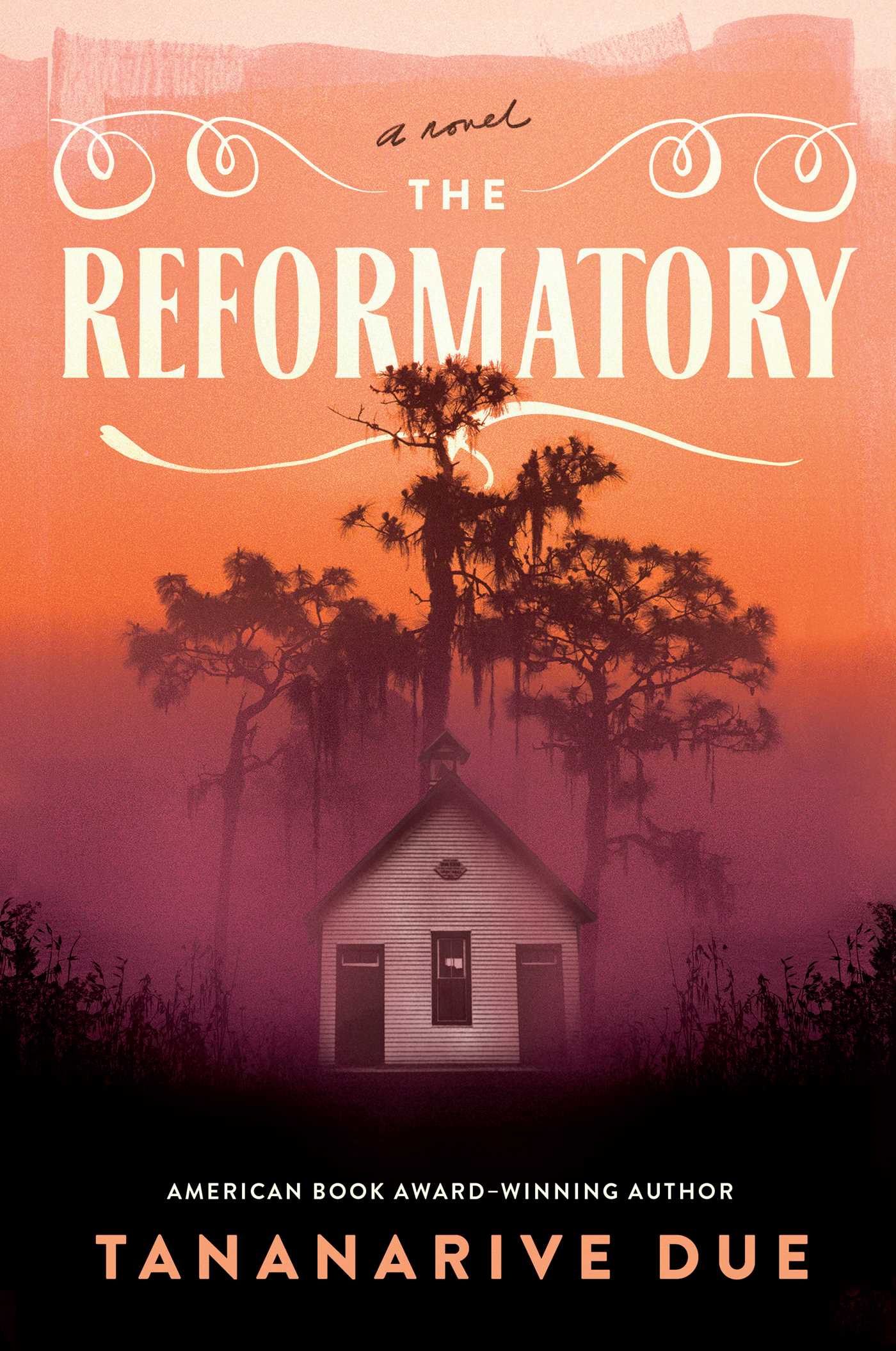
Set in 1950s Florida, The Reformatory follows twelve-year-old Robbie Stephens, who is sent to the segregated Gracetown School for Boys after defending his sister Gloria from the unwanted advances of Lyle McCormick. But Robbie’s sentencing isn’t just punishment for that act. It’s a trap. His father, Robert Stephens, is a Black man falsely accused of raping a white woman who has fled to Chicago. A union organizer with enemies in powerful places, Robert is being lured back through the incarceration of his own son.
We soon learn that Robbie is spirit sensitive. He sees ghosts, or “haints,” and this gift is both a blessing and a curse. A blessing because he feels the presence of his mother, a comfort that helps him endure the atrocities he faces. A curse because he also sees the ghosts of boys who came before him, those who died violently at the hands of the evil, psychopathic Warden Haddock, by fire, by beating, by every manner of physical and emotional harm imaginable, all desperate to avoid being sent to the “Shed.”
Meanwhile, Gloria is fighting on the outside to secure the legal help her brother desperately needs. Alongside Ms. Lottie, the woman tasked with caring for Robbie and Gloria after the death of their mother and a Warrior Queen if there ever was one, she races to get Robbie released before it’s too late.
The Reformatory is classified as a literary, historical, and horror novel. And while you might assume the horror comes from its supernatural elements, make no mistake. The true horror here is entirely human. It is the vile and calculated evil of those who use their power to torture children and discriminate against people whose skin is a different colour than their own. The ghosts are almost beside the point.
Trigger warnings: physical and sexual abuse, blood and violence.
by T. Kingfisher
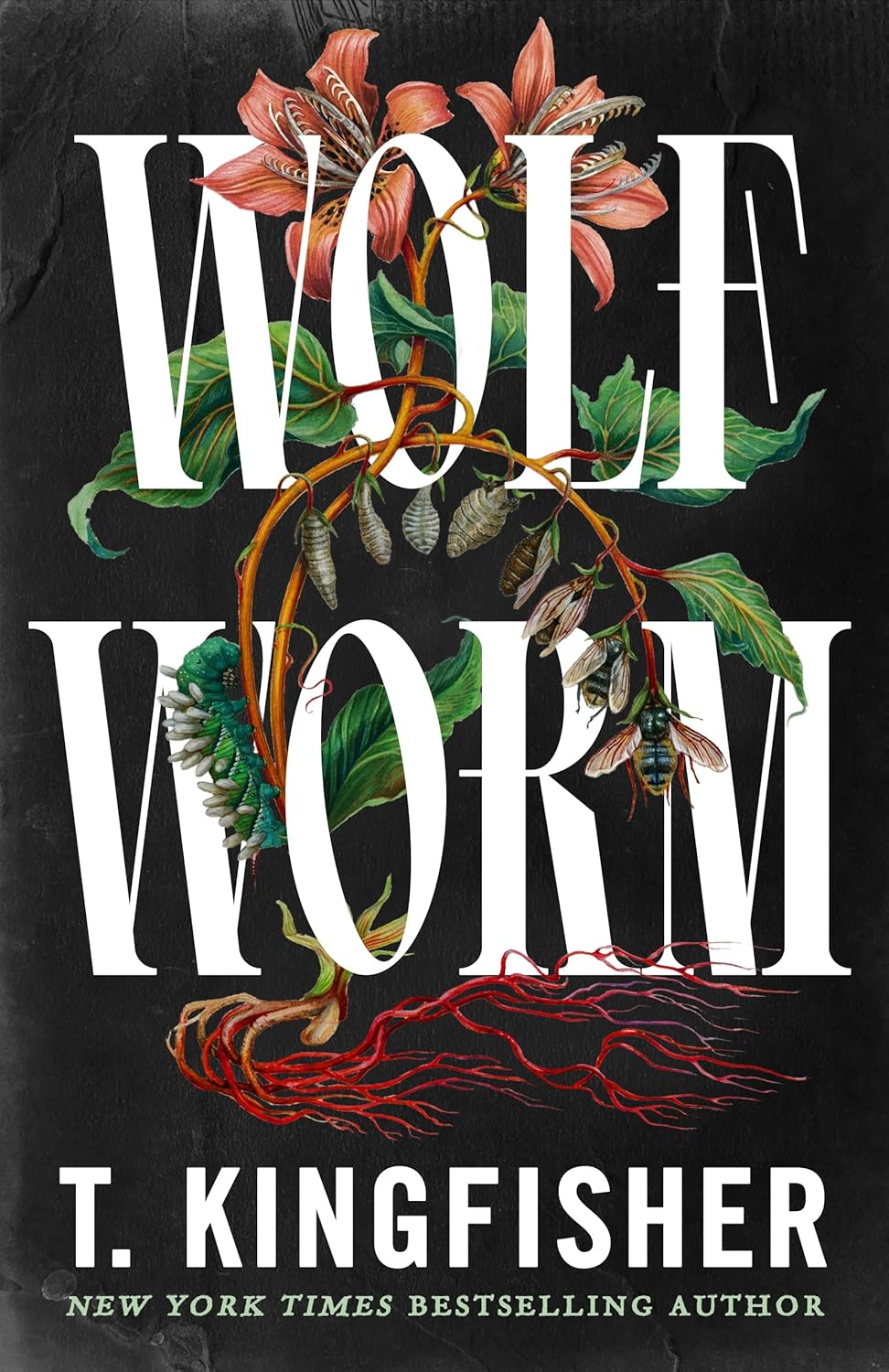
Since the death of her father, Sonia Wilson has had to put aside her beloved profession of being a scientific illustrator and become an art teacher. With only a few friends and an oppressive headmistress, she seeks employment elsewhere…but there aren’t a lot of positions available, because she is, after all, a woman in the late 1800s. So when the reclusive scientist Dr. Hadler hires her to illustrate his work of bugs, worms and squiggly, squirming critters, she willingly obliges.
After trekking through the woods with creepy Mr. Phelps, who offered to chaperone her and narrate the nightmarish folktales of devils and blood thieves you would meet in the woods, she arrives at Dr. Hadler’s North Carolina mansion….wonderfully creepy, atmospheric.
Sonia soon realizes that the doctor’s work is rather odd and that the artist before her disappeared under mysterious circumstances, compounded by the fact that the animals in the area are behaving rather creepily, she begins to regret her decision to work. Also, what is with the creepy shed on the property, a place that the doctor brings live chickens and keeps under lock and key?
The story is narrated by Sonia, whose voice is so personable and funny (which is wonderfully juxtaposed against the creepy atmosphere). I really wanted to be her friend and, over a bottle of wine, hear all about her experience. Just a heads up, if you don’t like bugs and blood, this novel may not be for you. Kingfisher is quite graphic in her descriptions.
Except for a few parts that seemed somewhat redundant (especially when Sonia is questioning the reality of a horror she saw), the novel is humorous, suspenseful, and everything I expected from the author.
…oh, and I absolutely loved the Kents.
This is an great Southern Gothic to add to you audio book list.
I listened to the audio of this novel. Mary Robinette Kowal is the narrator, and she is absolutely wonderful. She is very effective with voices, accents, and intonation of emotion. I would definitely listen to other audiobooks she narrates.
Thank you to MacMillan Audio and NetGalley for the copies.
You’ll be able to buy Wolf Worm at the end of May.
by Catriona Ward
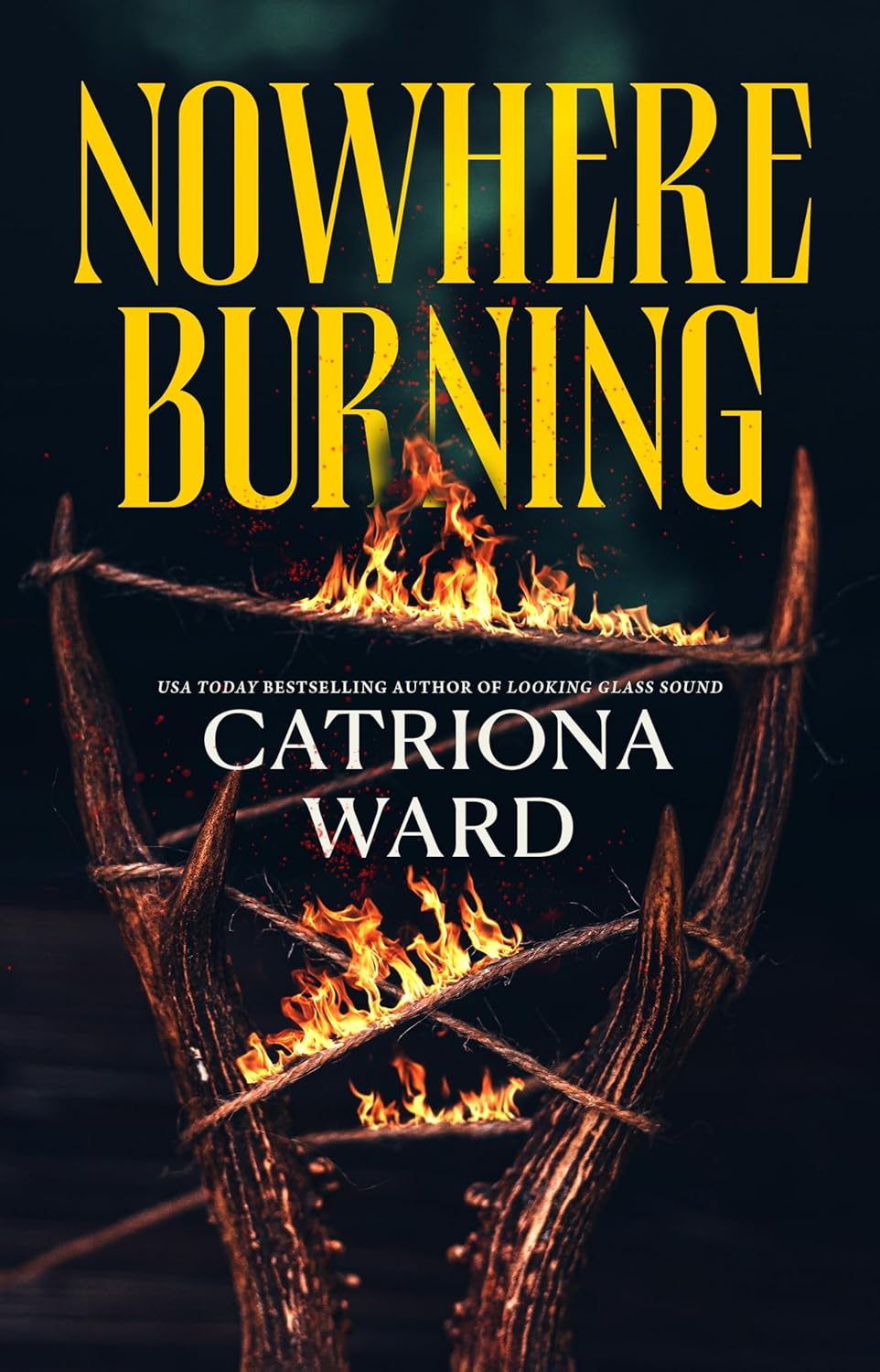
Full disclosure, Catriona Ward’s writing is a favourite of mine; she could rewrite the ingredients of a cereal box, and I’d love it. So I was fully expecting to love this new novel of hers, and I did. Although it isn’t my favourite novel of hers, it was still a good, creepy, suspenseful, mystery, thriller, and horror novel.
The novel unfolds through multiple perspectives and timelines, with the estate of Nowhere serving as the central, unifying “character” of sorts.
Leif Winham, a renowned actor, retreats from a life of glamour to his secluded estate, Nowhere. He leads an isolated and enigmatic existence, prompting neighbors to view him as an eccentric recluse while remaining intrigued by both his lifestyle and the estate itself.
Tom, a documentarian, is driven to investigate Nowhere and the mythology that surrounds both the estate and its founder.
Riley, a young girl, experiences significant trauma after being orphaned and placed in the care of a cruel, abusive guardian referred to as ‘cousin.’ Both Riley and her younger brother suffer under this individual, ultimately compelling Riley to make the difficult decision to escape with her brother. The only refuge she can imagine is Nowhere, a place described to her by a girl named Noon, who visits her at night. Noon explains that Nowhere is a place ‘in the mountains under the stars where everyone gets love and respect,’ and provides Riley with written directions to this sanctuary for children like her can find a home.
I found each of these three perspectives equally enthralling, and when Ward expertly weaves the storyline together, the novel becomes an impressive, intricate piece of storytelling.
I really enjoyed this novel, as I knew I would. It is deeply suspenseful, and I found the characters well-developed and interesting. I wanted to know their motivations, their backstories, and eventually how their lives unfold.
Thank you to Netgalley and Tor Publishing for the book
Nowhere Burning will be available February 24th.
by CG Drews
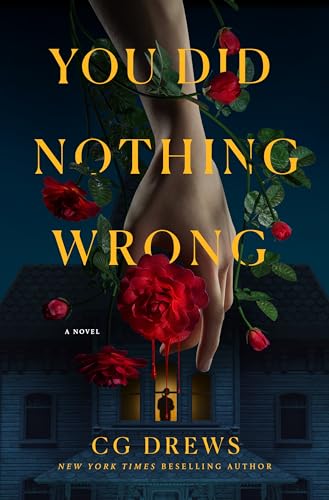
Elodie leaves her life as a single mother in Australia to join Bren in the United States. Bren appears to be the ideal husband: he is handsome, a reliable provider, and willing to help raise her autistic son, Jude. Elodie is also pregnant, which makes her feel she finally has the foundation to start anew with her family. However, she remains uncertain about the old family home where Bren has relocated them. The house is in a constant state of renovation, and Jude dislikes it, claiming he can hear the walls talking. As Jude’s behavior deteriorates, Elodie fears her seemingly perfect life may unravel, particularly if Bren discovers her secret—a secret that could jeopardize her happiness or even her safety. Yet, Bren harbors secrets as well. The central question becomes: whose secrets pose the greater threat?
Just a heads up—the ending is completely wild and unpredictable.
Well, this was a creepy book. I found some parts predictable, and I was more than frustrated with some of the choices Elodie makes, but CG Drews seems to masterfully write a psychological thriller that will make me read more of her works.
I also listened to this novel, and truth be told, I found the audio version even creepier. In fact, Saskia Maaleveld’s voice absolutely sent shivers down my spine. I had to listen to it in the bright sunlight of a walk and not in the dark of my bedroom at night. which is a testament to how well Saskia Maarleveld conveys character and atmosphere.
If you like psychological horror, then this is the book for you.
Trigger warnings: abuse, child abuse, physical abuse, violence, eating disorders, blood, psychological abuse, and gore.
Thank you to Netgalley and S. Martin’s press for the copy.
You Did Nothing Wrong will be out March 17th.
by Rachel Hochhauser
Thank you to Netgalley and St. Martin’s Press for the copy.
I both listened to and read this novel.
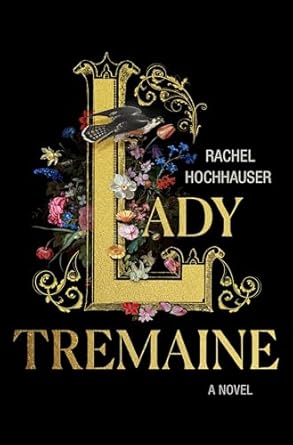
Lady Tremaine is more than just a twist on the Cinderella story. It’s a feminist retelling of a tale many of us grew up with, where a beautiful girl loses her parents and is mistreated by her stepmother and stepsisters. In this version, Hochhauser focuses on Lady Tremaine, whose full name is Ethedreda Verity Isolde Tremaine Bramlay. The story opens with Lady Tremaine hunting with her peregrine falcon. After her second husband’s death, she tries to keep up the appearance of wealth so her two daughters and stepdaughter have a chance to marry well and secure their futures in a society that limits women’s options. Ethel, as she’s called in the novel, understands the risks her daughters face as unmarried women. The book then goes back to her youth, when she met her first love, Henry, who introduced her to falconry and became her closest friend. As the daughter of a successful brewer, Ethel’s family has some standing, but they aren’t considered true equals by the upper class. Henry isn’t the eldest son in his family, so their marriage doesn’t cause much attention.
When Henry dies suddenly, Ethel’s father-in-law tries to marry off her two young daughters, who are only seven and eight, to avoid paying for their care. To protect them from becoming child brides, Ethel looks for a second husband and meets Lord Bramley, who is Elin’s (Cinderella’s) father. Like in the original fairytale, this marriage is short-lived, and Ethel is left widowed and without money. She stays at the estate but struggles to maintain it. With her daughters and two loyal servants, Ethel works hard to keep things going, while Elin stays in her room, preparing for marriage and living a sheltered life.
As per the fairytale, the court soon holds a ball so that the prince can meet a young marriageable woman. The ball presents the perfect opportunity for Ethel to prepare her daughters for a union that will secure all of their futures…however, the prince and his family aren’t all they appear to be. Will Ethel find a way to secure her daughters’ safety and future, or will she inadvertently expose them to the exploitation that exists within families of political power and wealth?
I really enjoyed this novel. A fairytale, voiced by a middle-aged woman, telling of her experiences, the wisdom gleaned from them, and the ferocity with which she makes the decisions she does to provide a better life for her daughters. She is a courageous character who becomes heroic rather than villainous.
I loved reading and listening to this novel. Written in first-person point of view, the narrator, Bessie Carter, is wonderful at embodying Ethel’s character and at varying the voices of secondary characters.
I would definitely introduce this novel into my High School Classroom as an independent choice for a novel study or small group study.
You can buy Lady Tremaine the beginning of March.
Thank you to Negalley and St. Martin’s Press and Macmillan Audio for the copies.
by Yael Van Der Wouden
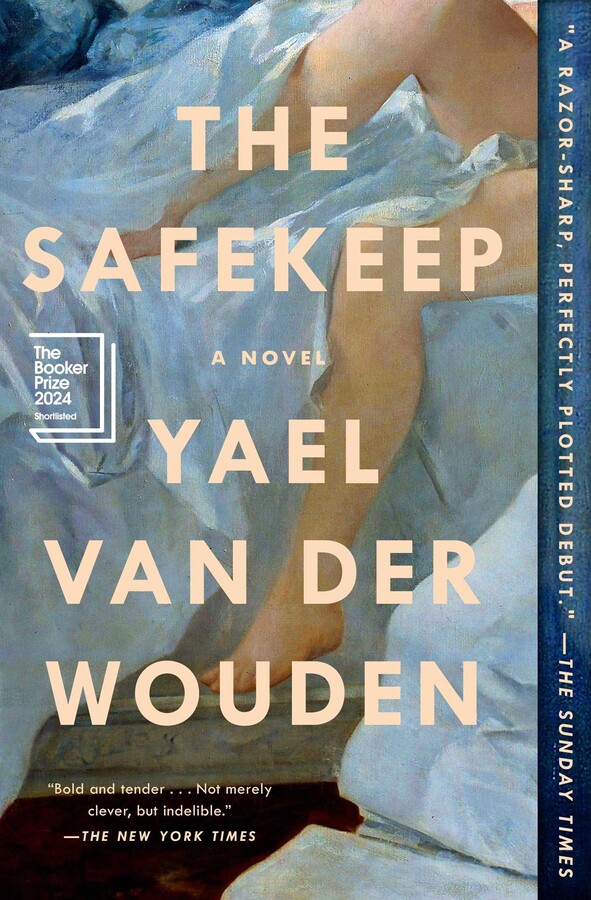
The Safekeep is a novel that explores themes of pain, loss, isolation, identity, and love. Set in the aftermath of World War II, the protagonist, Isabel, leads a life marked by routine and emotional detachment. Although she maintains a relationship with her two brothers—Hendrick, to whom she is close, and Louis, whom she finds irritating—her social circle is limited. Isabel continues to live in her childhood home following her mother’s death, with few connections beyond her aunt, uncle Karel, and Johan, a persistent suitor whom she entertains out of obligation. Her days are consumed by managing the household, particularly through meticulous inventory of its possessions. She fixates on counting the spoons daily to ensure nothing is missing. The house serves as her sanctuary and sole companion, yet it ultimately belongs to her eldest brother, Louis.
Isabel seems cold and rigid. When Louis brings his mistress, Rose, to live at the house for a month while he is away, Isabel is incensed, recoiling from any attempt at friendship from Rose, and especially affronted when Louis says Rose can sleep in their dead mother’s room.
Isabel’s life can be divided into two parts: before Rose and after. Rose becomes the catalyst for various revelations about Isabel’s history, relationships, and sexuality. The novel’s first third focuses on Isabel’s character and her daily routines, illustrating her lonely existence and posing the question of whether it is by choice. The second third explores Rose through her journal entries, as read by Isabel, while the last third examines the consequences of decisions made and the insights gained about oneself and others.
The novel is skillfully crafted. Its sensual scenes are neither gratuitous nor exploitative, and the unfolding love story is both poignant and ultimately hopeful.
by Ayana Gray
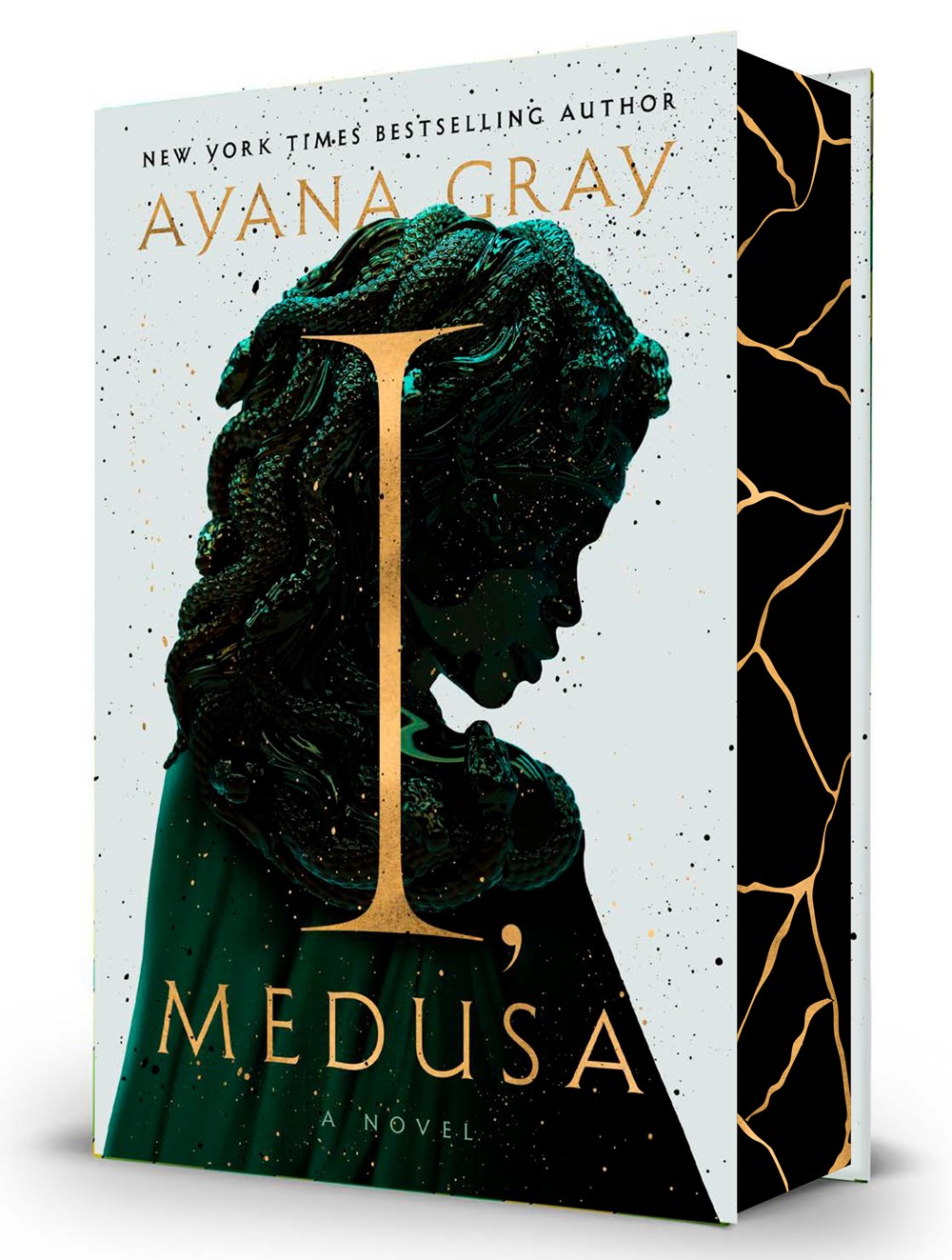
“ He is wealthy and popular…he will not be punished. Meanwhile, the girls here are prey.” (I Medusa).
I Medusa turned out to be an unexpected surprise. The novel unfolds over a year. Medusa, or Meddy, is 17 and preparing with her sisters for a spring feast. Unlike her sisters—Euryale and Stheno, both goddesses—Meddy is mortal. Her parents, gods of the Sea Court but not Olympians, still resent their lesser status. Meddy feels powerless compared to her family but possesses intellect, courage, and a strong sense of justice. She is sensitive to injustices in the court, including discrimination and mistreatment of women and children. These qualities attract Athena, who invites Medusa to be her acolyte in Athens, where, as myth suggests, chaos soon follows.
Ayana Grey does an incredible job in humanising Medusa as a 17-year-old girl. From her infatuation with Posidon and her inability to recognise the fact that he is grooming her for his own sexual conquest (she is constantly making excuses for his behaviour, attempting to convince herself that he sees her as special and that his love for her is different from the “love” he has for his wife, Amphitrite, or his mistresses). In fact, we, the readers, can’t help but yell at her in her naivety… However, her way of thinking seems very age-appropriate.
Medusa is characterized as a young woman we can’t help but love, even though her choices frustrate us. Gray reminds us of her age and that her choices stem from her parents’ poor upbringing—for example, she has no idea what sex is and is confused by her body’s response to seeing Poseidon with a sea nymph during her spring feast. She is often ruled by her heart rather than her mind. Her pursuit of justice turns violent, first with her fists, then with the power her curse gives her.
*spoiler warning*
I was so brokenhearted at the end, even though it was no surprise. Meddy goes to sleep with hope and optimism in her heart. Dreaming of her future where she can use her curse in a way to benefit others, just to meet her demise before the sun rises. We get to know Meddy intimately; she is characterised as an empathetic, sweet young woman, even after she is cursed. She is a victim of those in power, not a monstrous villain as most myths portray her.
Ayana Grey uses her narrative to discuss the nature of rape culture and the issue of men in power getting away with exploiting young women … two issues that we are facing today. It would make an amazing book club pick or novel for study, as it offers a plethora of points of discussion.
Thank you to Random House and Netgalley for the copy
by Maggie O’Farrell
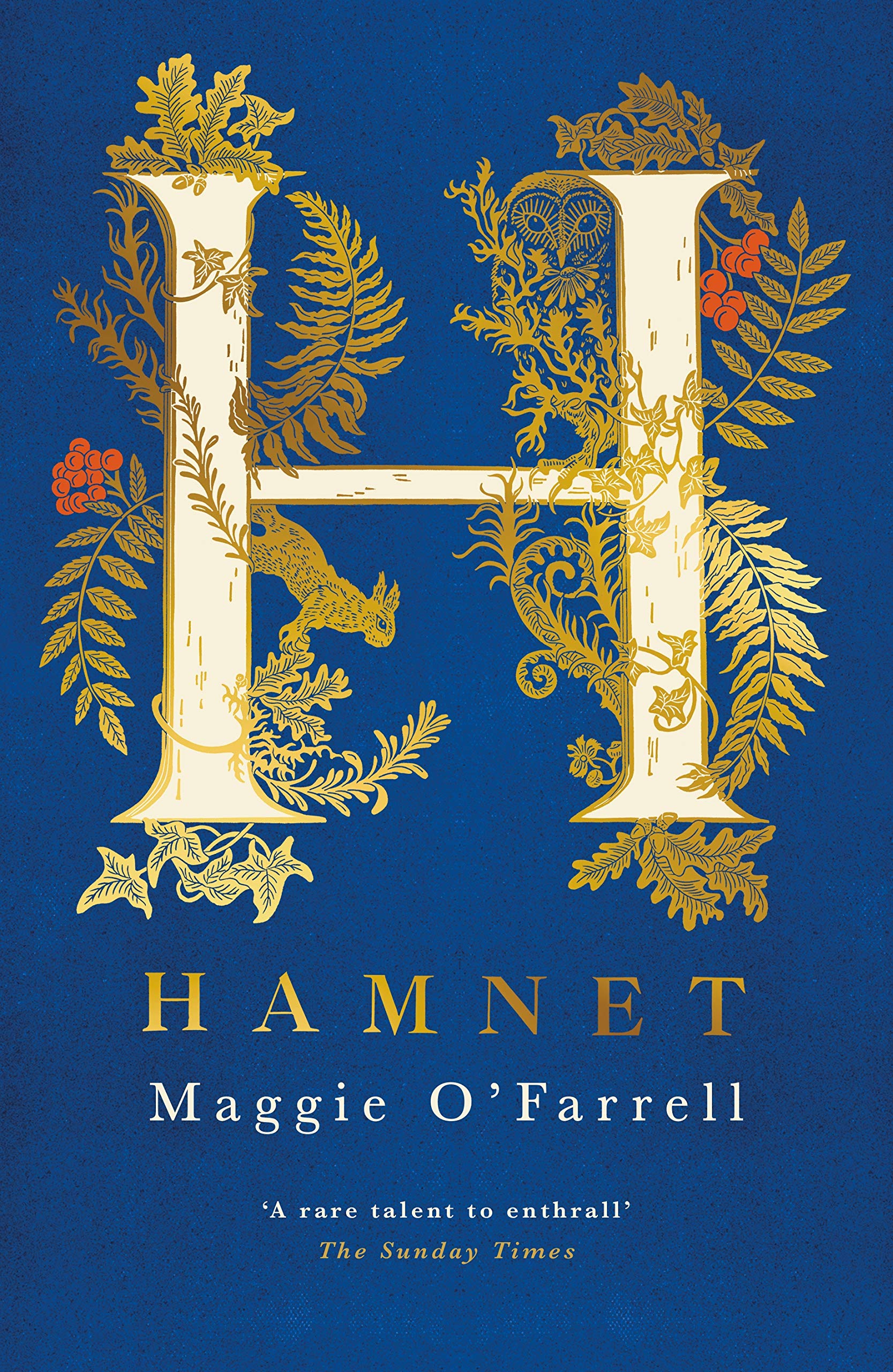
I love Shakespeare and loved teaching his works. When I taught Hamlet, I also explored Shakespeare’s life and the play’s historical background with my students.
Because of this, my review is personal and shaped by my love for Shakespeare and his famous play.
The novel begins as we meet Hamnet, the son of William and Agnes. He is desperately looking for an adult to help his twin sister, Judith, who has suddenly become very ill. We see the story through Hamnet’s eyes—his worry for Judith, his confusion when he can’t find help, and the pain he feels from his grandfather’s abuse.
I loved this book. The main character is Shakespeare’s wife, Agnes. (Shakespeare’s real wife was named Anne, but that detail doesn’t matter here.) Agnes has become one of my favorite female characters in literature. We first meet her as a young girl, witnessing her mother’s traumatic death during childbirth. Her mother was gentle, mystical, and almost otherworldly. Later, we learn about Agnes’s abuse by her stepmother, who always knew that Agnes’s mother was her husband’s true love. Like her mother, Agnes is a healer, a bee whisperer, and sensitive to the spirit world. Because of this, both her stepmother and the townspeople see her as odd and unmarriageable.
But when a young man arrives to tutor her brothers and takes a particular interest in her, she cannot help but recognize that beneath him, his hidden mind and a soul that is unlike any she’s known.
Spoiler alert!
We find out that poor little Judith has the plague, and Agnes uses every bit of learning she has gleaned over the years to cure her child. In the meantime, William, who is off with his players entertaining audiences with his plays, is sent. The attention is focused on Judith; all the while, we should be concerned about young Hamnet. Young Hamlet is the sweetest son/brother, selfless, smart, and incredibly brave. We, the readers, are indeed heartbroken over his death.
The novel then explores the grief of Agnes and William. Agnes’s deep heartbreak stands out, especially since we have followed her life so closely throughout the story.
I am bewitched by O’Farrell’s writing. Its lyrical style is enchanting and impactful. She brilliantly varies timelines and various character points of view to keep the reader mesmerized with the story and empathetic towards her characters.
I would definitely use this novel as a mentor text and as a literary study for my students.
by Rebecca Ross

Wild Reverence is a slow-burning Romantacy story. For most of the book, we are schooled in a world of Gods, Goddesses, and Mortals. We have the Immortals of the Under Realm and the Immortals of the Skyward Realm, and poor Matilda’s parentage includes both… which leaves a young girl struggling with a sense of identity and belonging. When tragedy occurs in her Under Realm home, she is forced to leave and find solace in Skyward, but will she be accepted?
In the meantime, Matilda has met the boy of her dreams, Vincent, the only problem is she can only meet him in his dreams, oh, and he’s a mortal. For a chunk of this novel, Matilda’s and Vincent’s story is secondary; they “grow up,” each finding their place in the world (or, in Matilda’s case, her worlds), and each coming face to face with their newfound powers and the discovery of their weaknesses. Each faces betrayals and moments of weakness, but in these moments, each learns who they truly are and what potential they have to save the ones they love, unless, of course, it is contrary to what the fates allow.
So I’m not a huge fan of Romantacy, and I’ve never read anything by Rebecca Ross. I picked up Divine Rivals once and carried it around the bookstore, but didn’t end up buying it, and I am beginning to rue that day. Not that you need to read the Divine Rival books to fully enjoy Wild Reverence. I really admire Ross’s writing. It is really quite beautiful. Her prose is vivid, and the plot unravels like a movie in my imagination.
A perfect Christmas read AND a perfect gift for those in your life who are fans of Romantacy.
Thank you to St Martin’s Press and Netgalley for the copy.
Jess Armstrong

The Devil in Oxford is the third novel in the Ruby Vaughn Mystery series. Full disclosure, I have not read the first two. The novel can be read as a stand alone, however as I read, I couldn’t help but feel as though I would have enjoyed it more if I knew some of the backstory that was referenced such as how did she and her love interest Ruen meet, her history with the solicitor, how did she come about living with Mr. Owen (my favourite character by the way.
Ruby Vaughn is a “disgraced heiress” who has a penchant for attracting both the supernatural and mystery. Armstrong, through her characterization of Ruby, both indirectly and directly, successfully portrays her as a strong-willed, intelligent, and precocious woman who wonderfully does not “know her place”. Ruby lives with an eccentric, charming old man, their housekeeper, Mrs Penrose, and, of course, a cat. Mr Owen owns a rare book shop where he and Ruby work… a rare book shop, my dream location (and my dream job, if I’m being honest), so this fact may have contributed to my affection for the book.
The novel starts with Ruby playing tennis with her good friend Leona, during which she notices Leona acting peculiar. When called out, Leona skirts the issue. Ruby then returns home to find that Mr Owen has procured tickets to an intriguing exhibition of “curious” oddities and artefacts. Where, of course, a bloody crime ensues, Ruby’s love interest arrives, and Lenore may or may not be a suspect. Poor Ruby has a lot to navigate in this novel: her personal life, solving a crime, and discovering the true character of the people most important to her… thank goodness she has her cat, Fialla, as support.
I really liked this novel. I liked Ruby; she was spunky, stubborn, and confident when it came to solving mysteries, but not so confident in her personal life… like most of us. I loved Mr Owen and his grandfatherly nature. I especially loved the setting; as soon as you mention a rare book store in an academic setting, I’m hooked. I did, however, miss not being “present” to witness the spark that set fire to the slow burn that is the central romance. So I’m definitely going to seek out and read the first two.
Thank you to Netgalley and Random House for the Copy
written by Susan Johnston Taylor and illustrated by Sandie Sonke
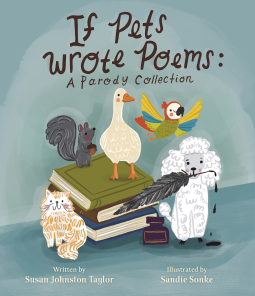
Ok, I absolutely loved this book. Poetry isn’t a genre I normally gravitate towards, even though I admire poets greatly…I could never write a great poem; however, Susan Johnston Taylor has approached poetry in such a unique and entertaining way that I couldn’t help but be charmed.
This book will, without a doubt, ignite curiosity about various authors through the perspective of their pets.
This children’s poetry book features poems written by pets. For example, Flush, Elizabeth Barrett Browning’s cocker spaniel, writes “To Elizabeth, My Person” in the style of Browning’s “To Flush, My Dog.” Naturally, students will want to find Browning’s poem to read more about Flush.
In another poem , apparently, Jack Kerouac owned a Persian Cat named Tyke. Tyke writes a poem called “One Mouse,” modelled after Kerouac’s “One Flower.” Did I look up “One Flower”? Yes, I did.
And then there is my favourite, a poem written by Edgar Allan Poe’s Cat named Catterina, named “The Raven” written in the style of, yes, you guessed it, “The Raven”. Love, love, loved it.
In my opinion, this book would be a wonderful addition to any classroom, from the earliest grades up to grade twelve. Featuring poems about the pets of their poets, it offers a unique and engaging way to inspire a love for poetry.
This book will be published in March 2026 —put it in your cart now for a wonderful surprise in the spring.
Thank you to Gnome Road Publishing and Netgalley for the copy.
 Ink And Spine