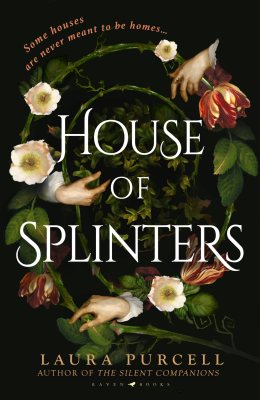
Laura Purcell is one of my favourite authors when it comes to Gothic Victorian literature. I am always riveted by her storytelling; it is incredibly atmospheric with regard to the creep factor. House of Splinters is a prequel to her acclaimed “The Silent Companions”. Truth be told, I enjoyed House of Splinters a wee bit more.
In this novel, we return to the creepy Bridge estate. After the death of her father-in-law, Belinda and her husband, Wilfred, arrive for the funeral and to claim their inheritance. Soon after their arrival, Belinda encounters one of the silent companions: two-dimensional, life-sized wooden figures that resemble deceased family members and appear unexpectedly throughout the house.
With unsettling memories of her last stay (after the birth of her son Freddie), a very pregnant Belinda is already on edge, so with the appearance of the “silent companions” and Freddie’s peculiar behaviour, Belinda gives birth, almost losing her own life and the life of her baby daughter.
As the novel progresses, Belinda learns of the dark history surrounding the Bridge, including murder and witchcraft. A history that her husband does not want to discuss. However, with the arrival of a brother-in-law, Nathan, whom she knew very little about, and the increasingly disturbing behaviour of her son, and bizarre noises, Belinda begins to wonder if she is losing her mind. Thankfully, she finds comfort in her newly acquainted brother-in-law, who confirms her misgivings about the home.
House of Splinters was everything I was expecting—quick, engaging, and riddled with suspense.
Thank you to Netgalley and Blackstone Publishing for the copy
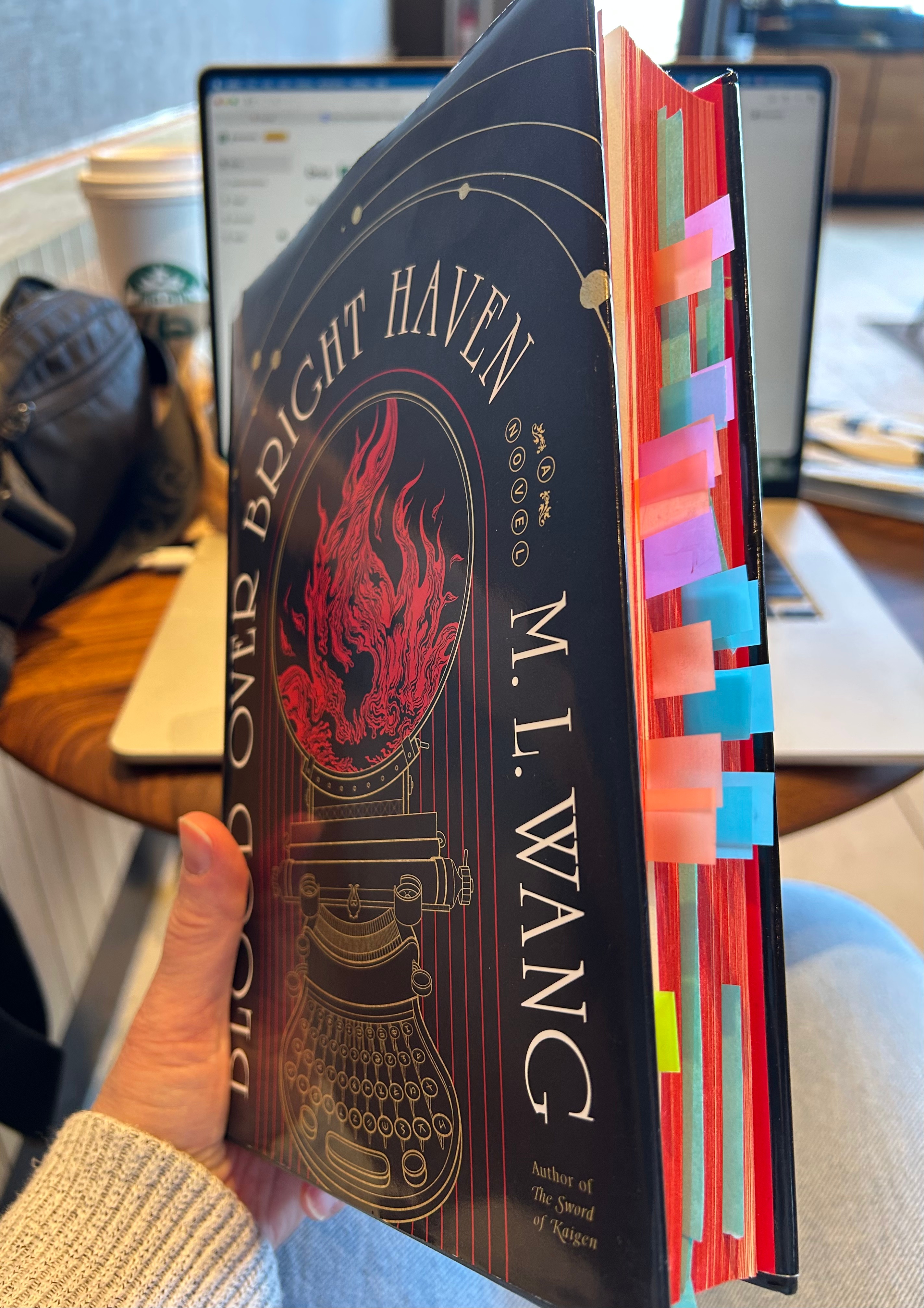
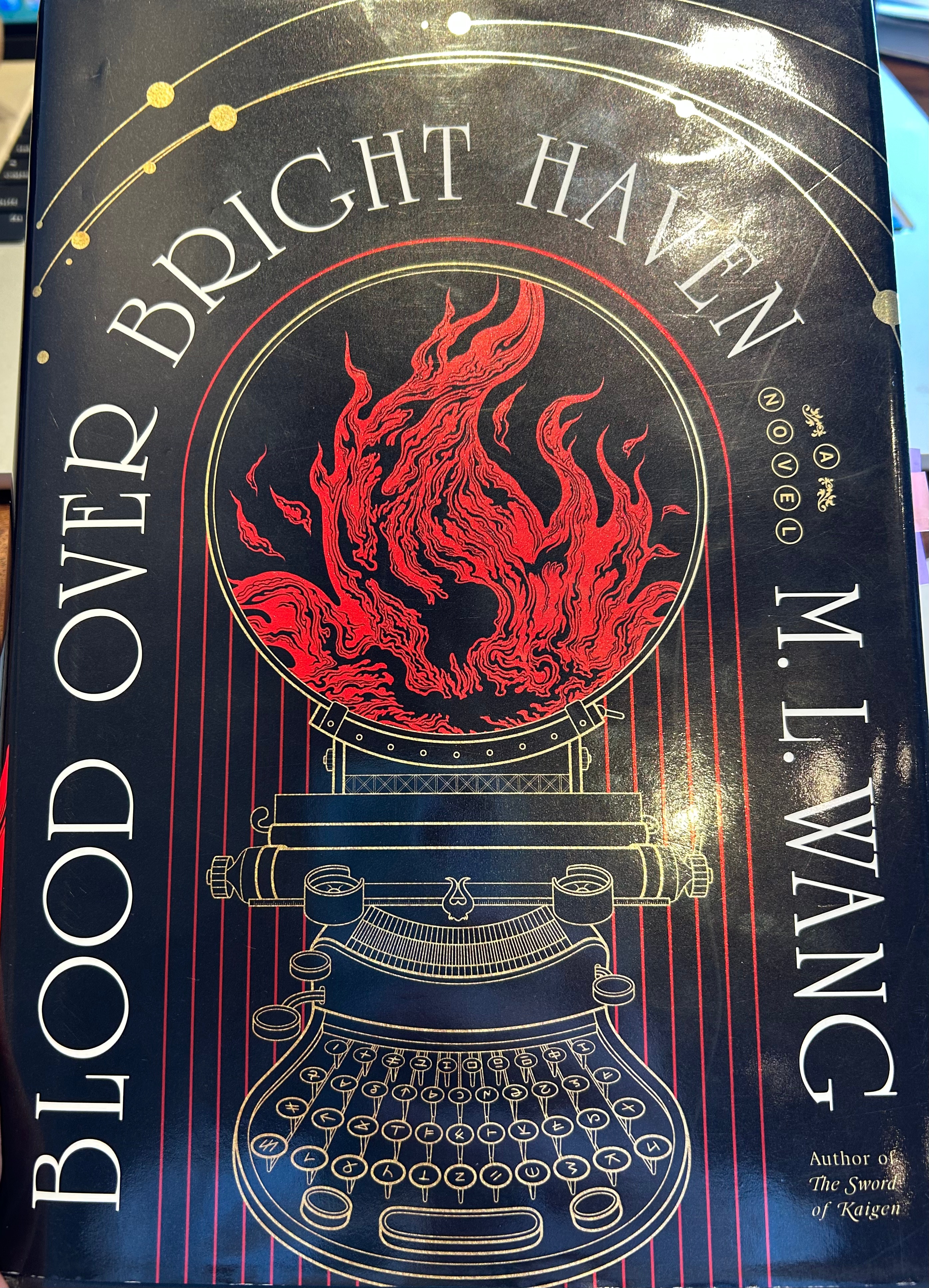
I really liked this novel, so much so that I had to bust out my mini sticky notes. The novel begins with the character Thomil and his people, the Kwen, attempting to escape a violent culling by “Blight” (a magical energy that strikes any and every living thing it senses ), an introduction that sucks us right into the plot. The second chapter, however, is significantly different. We meet Sciona just about to perform an entrance exam into the prestigious High Magistry at the University of High Magics and Industry, a feat that is almost impossible, as no other female has ever been admitted.
Soon, Thomil and Sciona’s lives collide, and both must overcome their prejudices to reveal the truth behind the political machinations of their world and bring justice to those who have been sacrificed for the upper class’s benefit.
This novel is rife with themes that are incredibly applicable to our world today. It is a perfect example of how science fiction and fantasy can serve to show us injustices, and an entitled, wealthy, and politically powerful class of society can manipulate philosophy, religion and history to serve their own ends to the extent of abusing and obliterating the lives of other classes and cultures in order to do so.
Well written, fast-paced, and perfectly concluded, with engaging characters and fascinating world-building, Blood over Bright Haven is a very good addition to your reading list and would make a wonderful addition to independent novel study in secondary school classrooms.
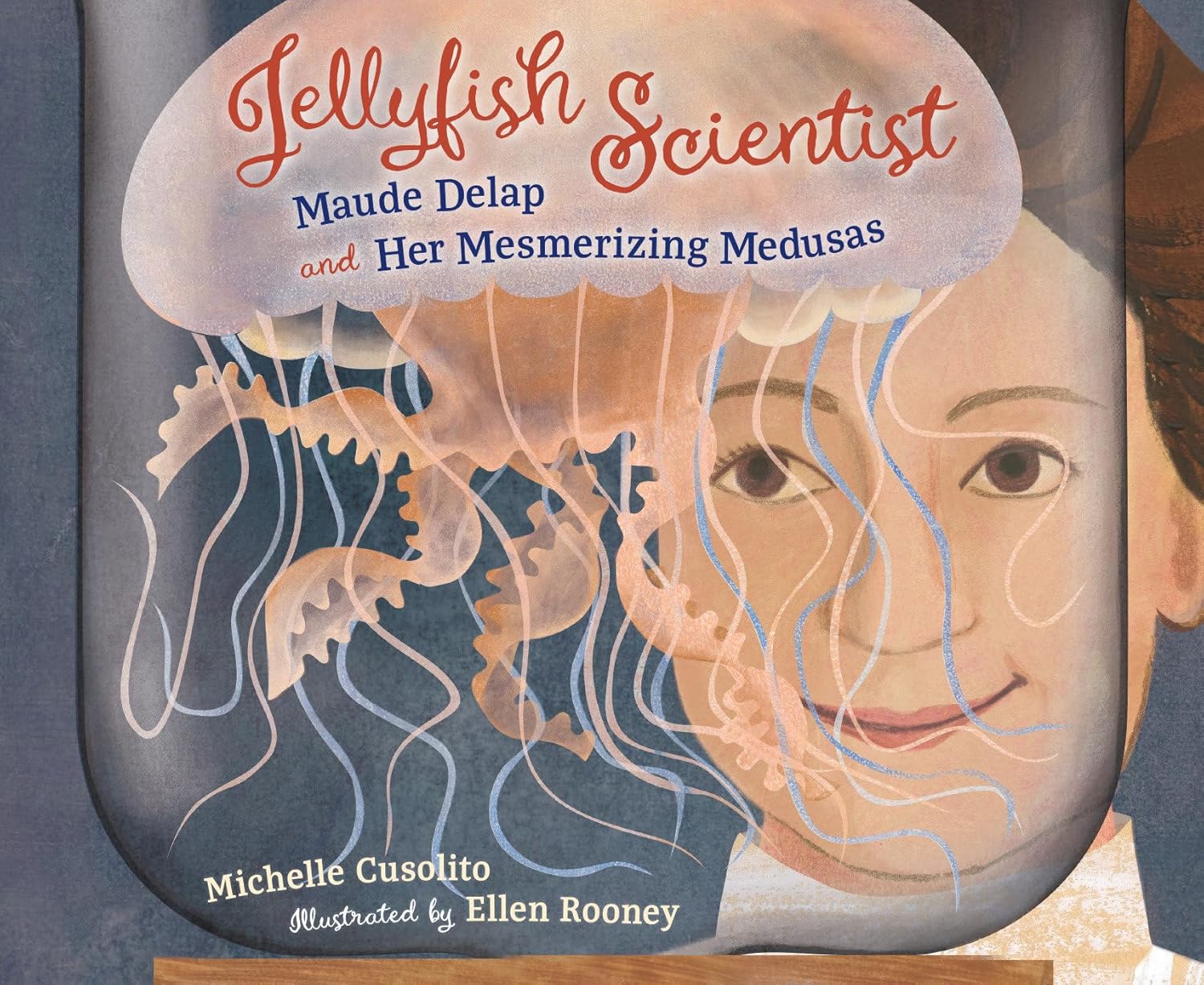
In the years 1899 to 1900, Irish Scientist Maude Delap studied the compass Jellyfish. Maude was so thorough in her research she actually traced the jellyfish’s entire lifecycle. This picture book not only has THE MOST charming illustrations of the jellyfish, it also possess illustration of Maude in her laboratory looking through microscopes and her drawing in her lab book.
Maude’s research was so thorough, it serves as a basis for jellyfish research today.
This book serves as a wonderful addition to any STEM study. I will also serve as an inspiration for any young scientist to muck about in their environment and observe life around them
thank you to Charlesbridge and Netgalley for the copy.
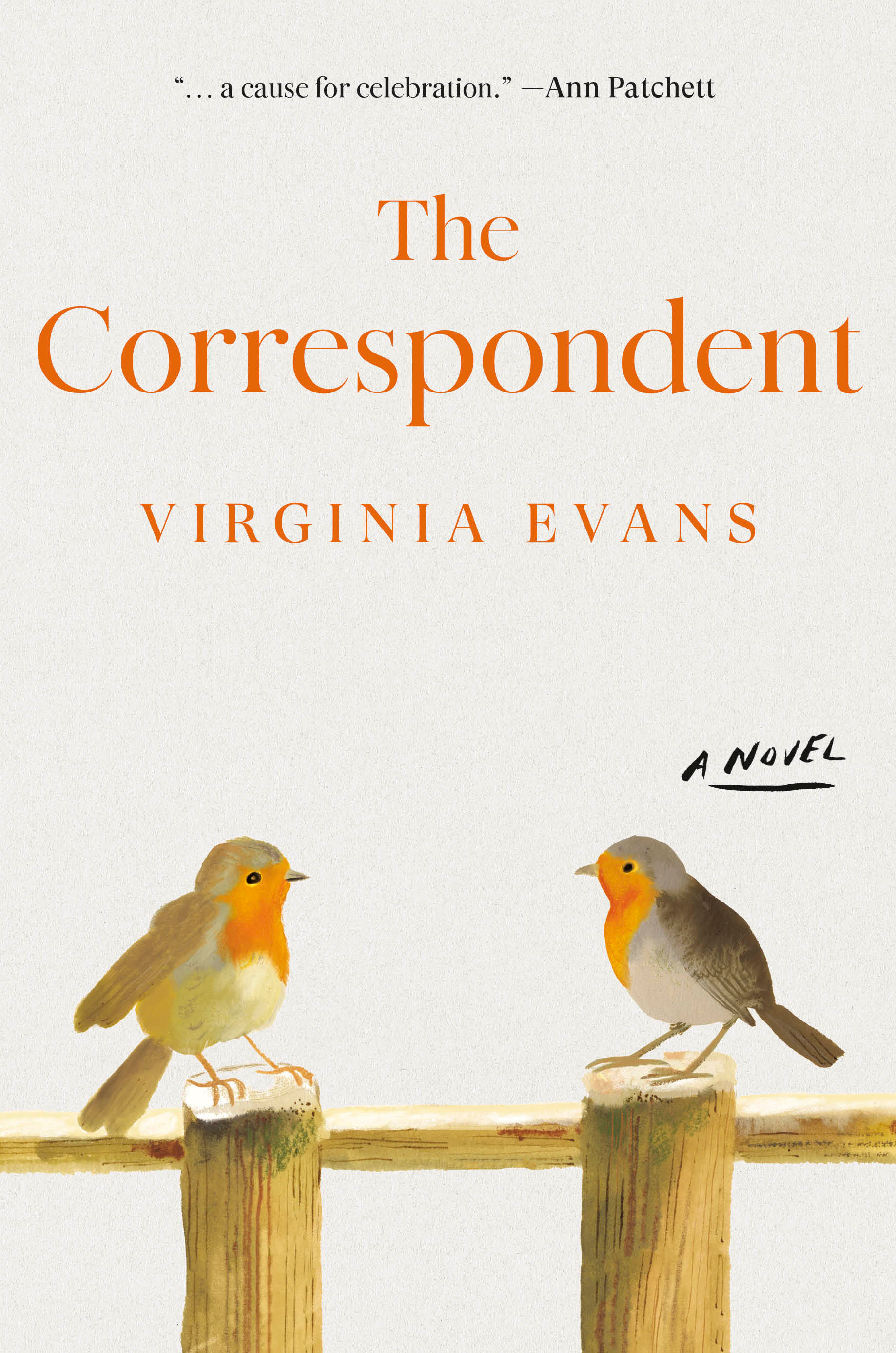
I absolutely love reading epistolary novels. They make me want to write letters again. Real letters. We live in such an “instant” time where, at the click of a button, we can communicate with no pondering, no pause to clarify our thoughts, no attempt to communicate not just effectively but beautifully.
Years ago, I was lucky enough to read letters my grandfather wrote to a young woman who would just happen to become my grandmother. They were simple but heartfelt, and I truly felt like I got to know a grandfather I had never met, a man who existed before he was ever a “grandfather” to me. I think we have become a people where, unless we feel we have something important or riveting to say, we say nothing at all. And yet what we should be doing, what people like my grandfather, did so naturally in the past, is simply share the simplicity of their everyday lives. Little things: the simple goings-on of the day, what you ate for dinner, what books you’re reading, or something as unassuming as the weather.
I lived in Glasgow for a portion of a year, many, many years ago, back when the only internet you could access was at the local internet café where I had pay by the hour. So I wrote letters the old fashioned way to everyone and anyone in my address book: old university friends, my little nieces who were too young to read, previous colleagues, just to tell them about my everyday life living in Scotland. And I received a plethora of mail in return, sometimes twice a day (the Royal Mail was absolutely magnificent). It is a practice I miss deeply.
All this to say: I absolutely loved The Correspondent.
Our main character is 73-year-old Sybil Van Antwerp, a retired law clerk for a celebrated judge. Sybil has always written letters, first to her best friend Rosalie, whom she met at summer camp as a young girl, and eventually to an ever-growing constellation of recipients: her brother Felix, living in France; her children; her neighbour Mr. Lubeck; various authors she admired, among them Joan Didion and Ann Patchett; a university dean; and others. Her mailing list expands across a lifetime, and we come to understand not only her ritual for letter-writing (she has specific days and times set aside, and spends about an hour crafting each letter, a discipline we learn about through her friendship with a young student who becomes enchanted by the practice) but her motivation as well.
Woven through the novel is something more tender and more sorrowful: through letters, we learn that Sybil is losing her eyesight, and we come to know the heartbreak and tragedy that has quietly shaped her life. And throughout all of her correspondence Sybil has been writing to someone she never names. In these letters, we meet a different Sybil entirely, unguarded, reflective, sharing her most personal feelings and regrets. These letters are written never to be sent.
The Correspondent is a beautifully crafted love letter to the art of letter-writing itself. It is also a novel about identity and grief, and the preciousness of relationships and the ways we choose, or fail, to communicate across a life. By the end, I desperately wanted to receive a letter from Sybil myself. It is a quick read, and an easy one to fall into and stay until finished.
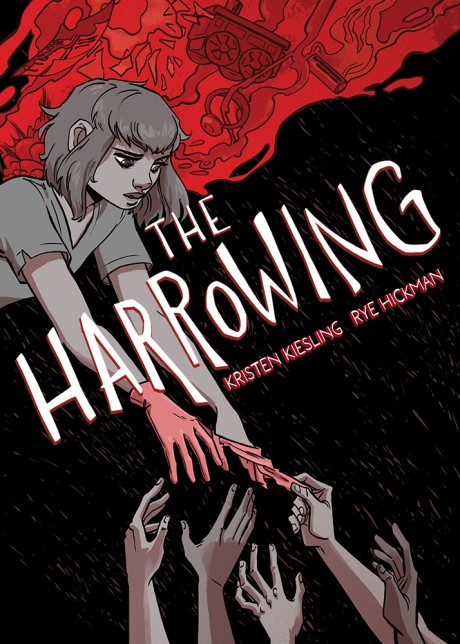
Rowen Sterling is the daughter of worm farmers. You would think worm farming would be a rather mundane, banal job but unfortunately Rowen has had her share of trauma, not only did her mother die a violent death at the hands of another, her father has become distant and, she’s in her senior year of high school and has some important life decisions to make, like what college to attend, and if she is falling in love her her best friend Lucas. And just to compound these stresses, Rowen has been having disturbing dreams of murder and death. One night, Rowen is kidnapped and taken to a facility called Rosewood. Her father is behind her kidnapping and claims it’s for her own good. You see, Rowen is blessed/cursed with a gift; she can predict who will die and who will commit murders just by touching them. The trainers at Rosewood tell her that those with a red aura will commit a crime of passion, and those with a black aura are psychopaths. And that she and the other young people at Rosewood will be trained and tasked with going out into society to determine who is indeed an imminent criminal. Rowen is all for her involvement; her mother, after all, was murdered, and she would like to prevent the same trauma from happening to others. However, it’s not that simple. A load of ethical questions come into play, like how moral is it to imprison someone who hasn’t committed a crime yet? And, what if you sense an aura around someone you love?
I really enjoyed this graphic novel. Its premise was interesting, albeit a bit confusing at times (parts of the characters’ backstories seem ill-placed). The artwork is wonderful, coloured in white, black, and various shades of grey, with additions of red and pink. Colours and artistry that suit the subject matter very effectively.
The story is bloody and violent and definitely aimed at 15-18 year olds.
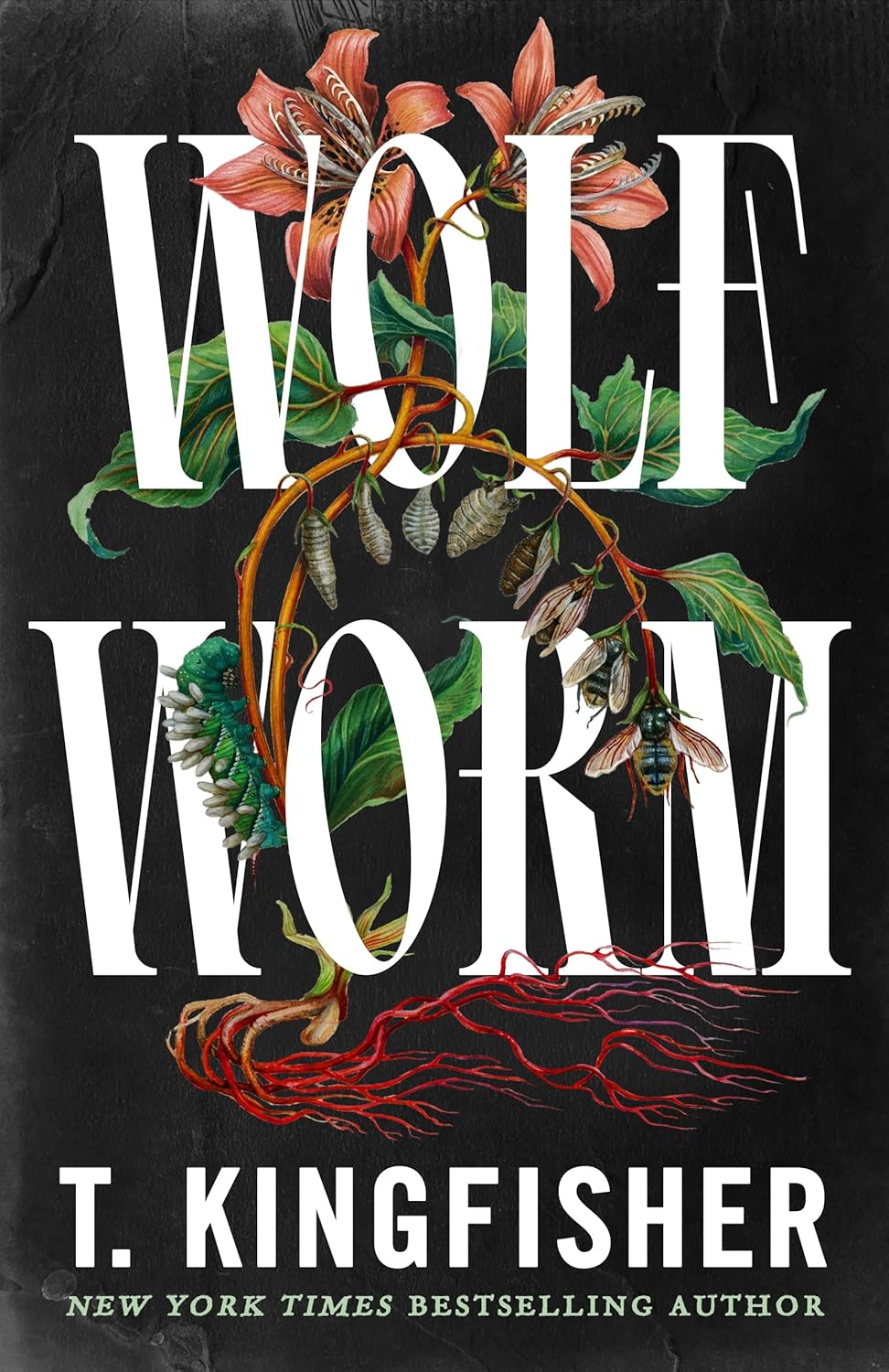
Since the death of her father, Sonia Wilson has had to put aside her beloved profession of being a scientific illustrator and become an art teacher. With only a few friends and an oppressive headmistress, she seeks employment elsewhere…but there aren’t a lot of positions available, because she is, after all, a woman in the late 1800s. So when the reclusive scientist Dr. Hadler hires her to illustrate his work of bugs, worms and squiggly, squirming critters, she willingly obliges.
After trekking through the woods with creepy Mr. Phelps, who offered to chaperone her and narrate the nightmarish folktales of devils and blood thieves you would meet in the woods, she arrives at Dr. Hadler’s North Carolina mansion….wonderfully creepy, atmospheric.
Sonia soon realizes that the doctor’s work is rather odd and that the artist before her disappeared under mysterious circumstances, compounded by the fact that the animals in the area are behaving rather creepily, she begins to regret her decision to work. Also, what is with the creepy shed on the property, a place that the doctor brings live chickens and keeps under lock and key?
The story is narrated by Sonia, whose voice is so personable and funny (which is wonderfully juxtaposed against the creepy atmosphere). I really wanted to be her friend and, over a bottle of wine, hear all about her experience. Just a heads up, if you don’t like bugs and blood, this novel may not be for you. Kingfisher is quite graphic in her descriptions.
Except for a few parts that seemed somewhat redundant (especially when Sonia is questioning the reality of a horror she saw), the novel is humorous, suspenseful, and everything I expected from the author.
…oh, and I absolutely loved the Kents.
This is an great Southern Gothic to add to you audio book list.
I listened to the audio of this novel. Mary Robinette Kowal is the narrator, and she is absolutely wonderful. She is very effective with voices, accents, and intonation of emotion. I would definitely listen to other audiobooks she narrates.
Thank you to MacMillan Audio and NetGalley for the copies.
You’ll be able to buy Wolf Worm at the end of May.
If you’ve never heard of Mona Awad, I need you to stop what you’re doing and pay attention, because I’m about to send you down a rabbit hole you will not regret.
I’ve only read three of Mona Awad’s works, and all three can be classified as dark academia my favourite genre. Canadian author Mona Awad has quite theimagination. She writes novels that read like fevered dreams, especially for those of us who have a history of viewing ourselves as insecure, anxious, and at times with self-doubt.
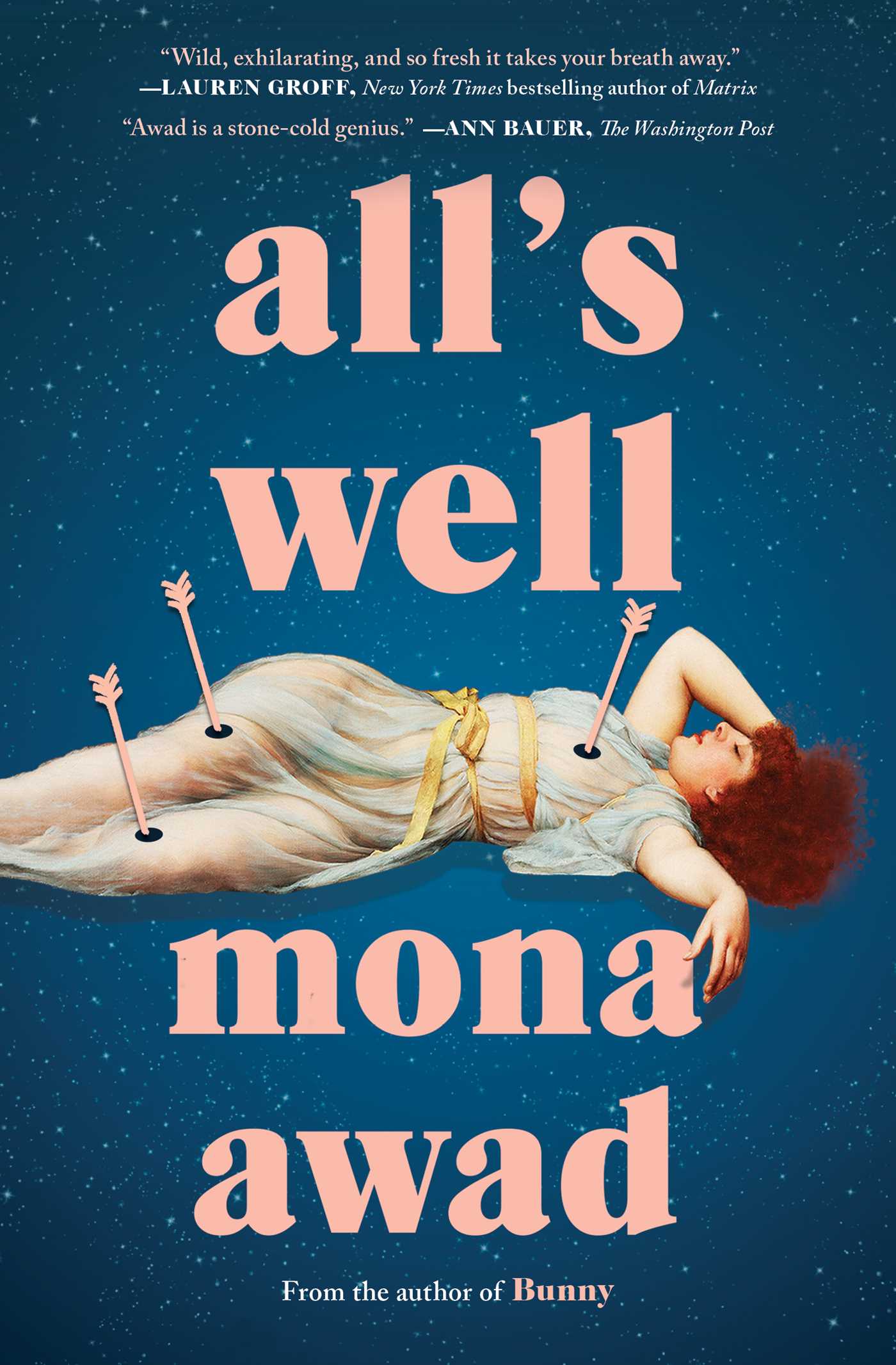
My first experience with Awad was her novel All’s Well. Honestly, I bought,this novel, because I thought the cover was beautiful, and because it was a reference to Shakespeare’s play. Miranda Fitch is a college drama teacher who is bound and determined to produce Shakespeare’s All’s Well That Ends Well, mostly because she wants to relive a time in her life when she was at the height of her acting career, playing the lead role of Helen. Her students, however, are equally bound and determined to perform Macbeth — a play that Miranda holds directly responsible for her debilitating chronic pain. When she meets three strange men at a bar (men who symbolize the three witches of Macbeth) Miranda engages in the most bizarre conversations. Soon after, the physical and emotional pain she carries begins to transfer onto the people she dislikes, and Miranda starts to feel a dark, intoxicating sense of power at the expense of others.
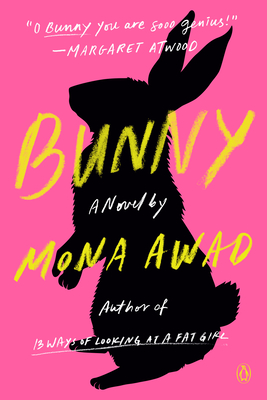
Now, Bunny. Bunny is the most wild of novels. Samantha McKey is part of a creative writing cohort at an Ivy League university. The entire story is told from her point of view, but we glean through her narrative (and she is an extremely unreliable narrator) that she is a loner. She views herself as superior to the others in her cohort, referring to them as “the Bunnies.” Soon, however, she is invited to join the Bunnies’ “Smut Salon” — a gathering where they meet to discuss their work. But the Smut Salon goes far beyond discussion. Soon the Bunnies are kidnapping, killing, and conducting all sorts of experiments to create. There are hints woven throughout that Samantha may be mentally ill, and that the world of the Bunnies and the Smut Salon is entirely a creation of her own mind.
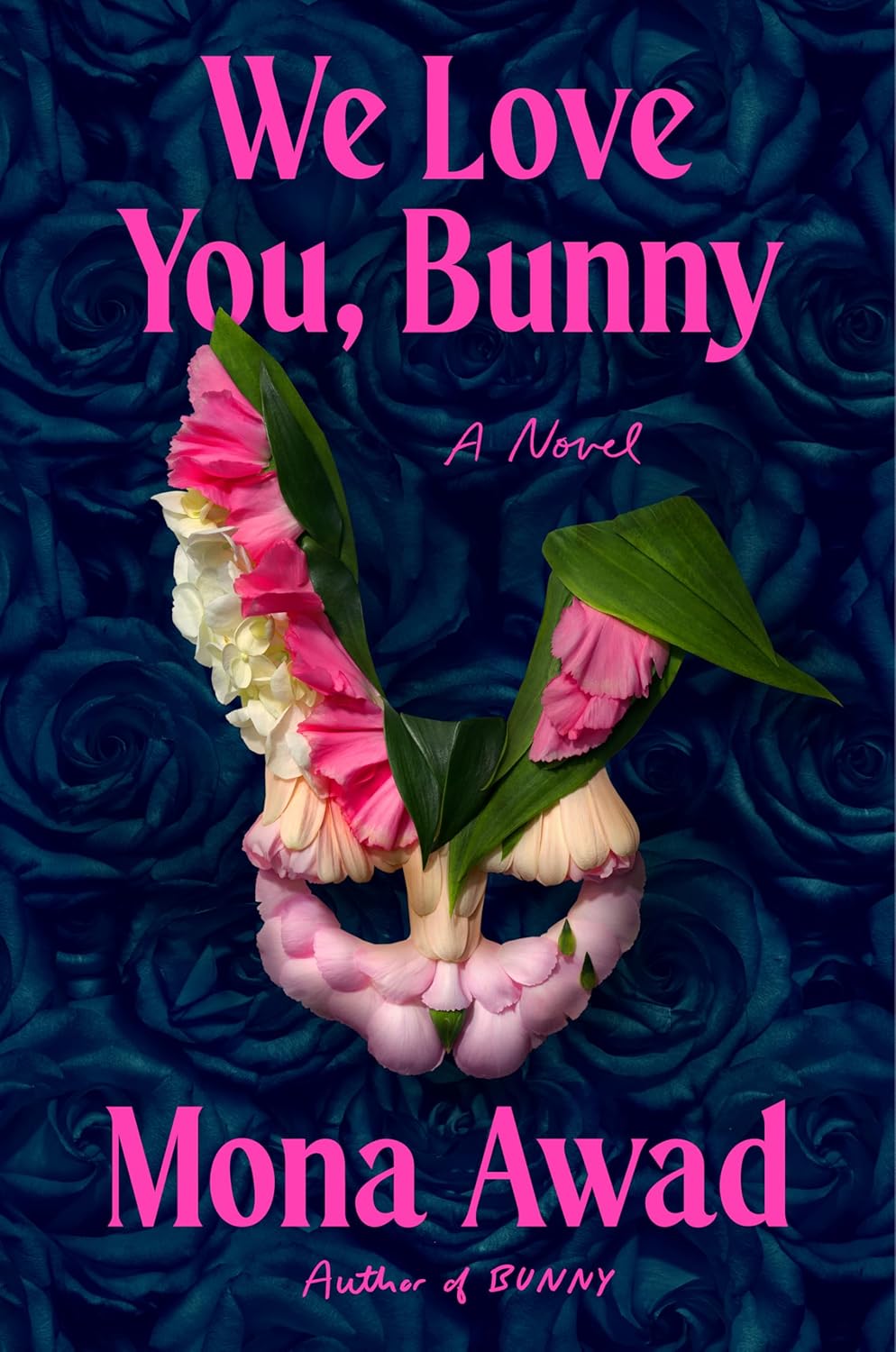
The sequel to “Bunny:” “We Love You, Bunny,” made me rethink every interpretation of “Bunny” I ever had. It’s written from the various points of view of the Bunnies themselves …they finally get to tell their side of the story. It seems Samantha, our protagonist and narrator from “Bunny” has written a bestselling novel about, of all things, the Bunnies themselves. And they are not happy. Why? because they are not exactly written in the most flattering light. They kidnap Samantha and tie her up in the same attic where they once held their Smut Salon and conducted their gruesome creative experiments. In fact, the axe is still there — and it’s often picked up like a talking stick by the various narrators.
Where Bunny felt to me like a story about identity, creativity, and what one will sacrifice in order to create both an identity and a piece of art, We Love You, Bunny is more about on the creative process itself. It presents such questions as who owns a piece of art, what constitutes plagiarism, and what makes a creative work credible. Both novels, I believe, require a second reading and a long conversation in order to peel back all the layers
:Mona Awad is not for everyone but if you are someone who loves stories that blur the line between reality and imagination, that make you question everything you think you know about a character, and that stay with you long after you’ve closed the book she just might be exactly for you. I would love to know if any of you have read her work, and what you thought. As always, happy reading.
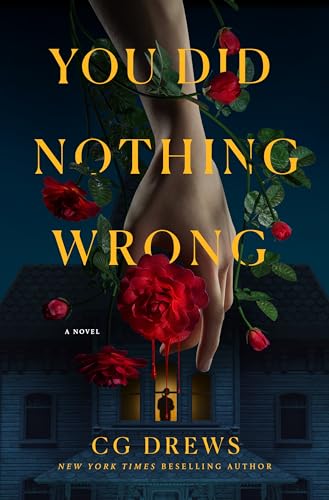
Elodie leaves her life as a single mother in Australia to join Bren in the United States. Bren appears to be the ideal husband: he is handsome, a reliable provider, and willing to help raise her autistic son, Jude. Elodie is also pregnant, which makes her feel she finally has the foundation to start anew with her family. However, she remains uncertain about the old family home where Bren has relocated them. The house is in a constant state of renovation, and Jude dislikes it, claiming he can hear the walls talking. As Jude’s behavior deteriorates, Elodie fears her seemingly perfect life may unravel, particularly if Bren discovers her secret—a secret that could jeopardize her happiness or even her safety. Yet, Bren harbors secrets as well. The central question becomes: whose secrets pose the greater threat?
Just a heads up—the ending is completely wild and unpredictable.
Well, this was a creepy book. I found some parts predictable, and I was more than frustrated with some of the choices Elodie makes, but CG Drews seems to masterfully write a psychological thriller that will make me read more of her works.
I also listened to this novel, and truth be told, I found the audio version even creepier. In fact, Saskia Maaleveld’s voice absolutely sent shivers down my spine. I had to listen to it in the bright sunlight of a walk and not in the dark of my bedroom at night. which is a testament to how well Saskia Maarleveld conveys character and atmosphere.
If you like psychological horror, then this is the book for you.
Thank you to Netgalley and St. Martin’s Press for the copy.
I both listened to and read this novel.
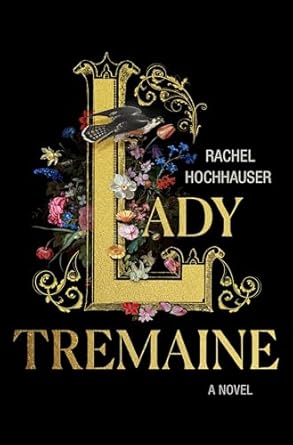
Lady Tremaine is more than just a twist on the Cinderella story. It’s a feminist retelling of a tale many of us grew up with, where a beautiful girl loses her parents and is mistreated by her stepmother and stepsisters. In this version, Hochhauser focuses on Lady Tremaine, whose full name is Ethedreda Verity Isolde Tremaine Bramlay. The story opens with Lady Tremaine hunting with her peregrine falcon. After her second husband’s death, she tries to keep up the appearance of wealth so her two daughters and stepdaughter have a chance to marry well and secure their futures in a society that limits women’s options. Ethel, as she’s called in the novel, understands the risks her daughters face as unmarried women. The book then goes back to her youth, when she met her first love, Henry, who introduced her to falconry and became her closest friend. As the daughter of a successful brewer, Ethel’s family has some standing, but they aren’t considered true equals by the upper class. Henry isn’t the eldest son in his family, so their marriage doesn’t cause much attention.
When Henry dies suddenly, Ethel’s father-in-law tries to marry off her two young daughters, who are only seven and eight, to avoid paying for their care. To protect them from becoming child brides, Ethel looks for a second husband and meets Lord Bramley, who is Elin’s (Cinderella’s) father. Like in the original fairytale, this marriage is short-lived, and Ethel is left widowed and without money. She stays at the estate but struggles to maintain it. With her daughters and two loyal servants, Ethel works hard to keep things going, while Elin stays in her room, preparing for marriage and living a sheltered life.
As per the fairytale, the court soon holds a ball so that the prince can meet a young marriageable woman. The ball presents the perfect opportunity for Ethel to prepare her daughters for a union that will secure all of their futures…however, the prince and his family aren’t all they appear to be. Will Ethel find a way to secure her daughters’ safety and future, or will she inadvertently expose them to the exploitation that exists within families of political power and wealth?
I really enjoyed this novel. A fairytale, voiced by a middle-aged woman, telling of her experiences, the wisdom gleaned from them, and the ferocity with which she makes the decisions she does to provide a better life for her daughters. She is a courageous character who becomes heroic rather than villainous.
I loved reading and listening to this novel. Written in first-person point of view, the narrator, Bessie Carter, is wonderful at embodying Ethel’s character and at varying the voices of secondary characters.
I would definitely introduce this novel into my High School Classroom as an independent choice for a novel study or small group study.
You can buy Lady Tremaine the beginning of March.
Thank you to Negalley and St. Martin’s Press and Macmillan Audio for the copies.
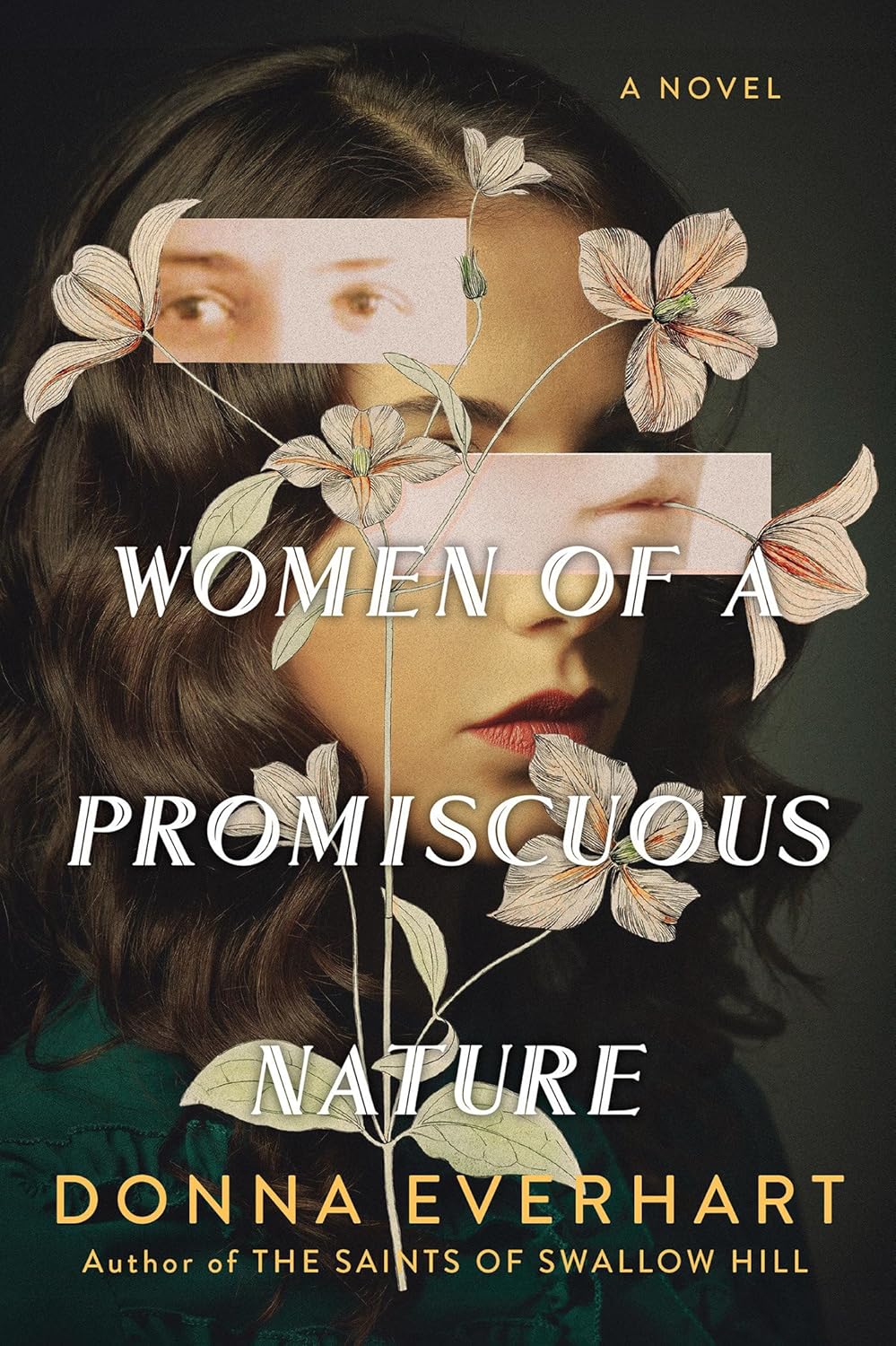
Hey, so apparently in 1918, men who were drafted into the army were succumbing to venereal diseases, and it was all the fault of women ( insert look of incredible annoyance here). In fact here is the quote “What the Secretary of War and the Secretary of the navy are hereby authorized and directed to adopt measures for the purpose of assisting the various States in caring for civilian persons whose detention, isolation, quarantine or commitment to institutions may be found necessary for the protection of the military and naval forced of the United States agains veneral Disease” from the Chamberlain – Khan Act of 1918.
Here’s another quote from Trials of Nina McCall: Sex, Surveillance and the Decades-Long Government Plan to Imprison ‘Promiscuous’ Women by Scott Stern: “It is the philosophy they helped to cement: that women and promiscuous people are dangerous and morally inferior and that they need to be stopped, locked up, and reformed.” Seriously. This information is provided by the author at the beginning of the novel…just to get your anger primed.
This novel discusses this time in American history, and I was outraged every second I was reading it.
Our main characters are 24-year-old Ruth, who was forcefully detained by the sheriff and endured a humiliating internal exam by a doctor who proclaimed that she had a venereal disease…all for walking alone to work at the cafe one morning. But hey, she was pretty and alone, so that made her promiscuous and a threat to mean right?
Then there’s Stella, just 15, pregnant by her own father, and her parents are the ones who turn her in. She gets sterilized and locked away, because apparently, she’s a threat too.
And don’t get me started on the other women who were forcefully detained for owning their own business, being mentally ill, or hey, you’re just too darned pretty to be single, so you pose a threat.
All of these women are institutionalized at the State Industrial Farm Colony for Women run by a woman by the name of Dorthoy Baker…a woman with a far more interesting past than the women she houses. Baker runs her institution using questionable measures. Her charges are punished for not enthusiastically embracing their rehabilitation .
To say I enjoyed reading this novel would not be suitable; I was, however, incredibly drawn in by its subject matter, themes and writing. Women of a Promiscuous Nature would make an engaging addition to book clubs. I would also recommend it as an independent study for high school classes; its writing style is accessible, as is its subject matter.
Thank you to Kensington Press and Netgalley for the copy.
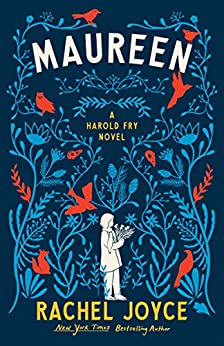
Many of us remember Harold Fry’s journey to see his old friend Queenie during her final days, but have you ever thought about what his wife, Maureen, felt when he left? Was she abandoned, jealous of “another woman,” or hurt that he didn’t ask her to join? In this novel, Rachel Joyce brings us into Maureen’s world. This time, Maureen sets out on her own journey, driving over 500km to visit her son’s memorial, which is in a garden made by Queenie.
Maureen is different than her husband. Where her husband is likable, kind, and accepting, Maureen is anything but. She is a grumpy, judgmental old lady whom you can’t help but pity at the beginning of the novel. However, just as Harold does, Maureen embarks on a journey of reflection. She thinks not only about her childhood, marriage, and motherhood, and the heartbreaks that come with them, but also about how she interacts with new people. She must put aside her pride and resentment, ask for help, and embrace the softness beneath the emotional shell she has built.
I really liked this novel; it is a short, beautifully written read. As Maureen continues her journey, we can’t help but feel a range of emotions towards her. If you loved The Unlikely Pilgrimage of Harold Fry, you will enjoy Maureen as well.
Thank you to Random House and Netgalley for the copy.

 Ink And Spine